





Dan Jones
Commercial | Last Updated: September 30, 2026



Shotkit may earn a commission on affiliate links. Learn more.
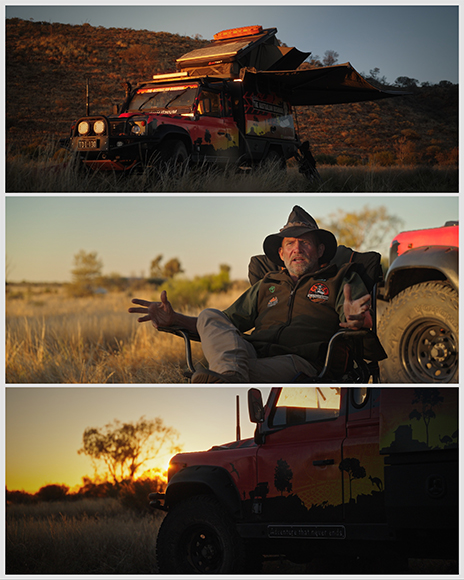
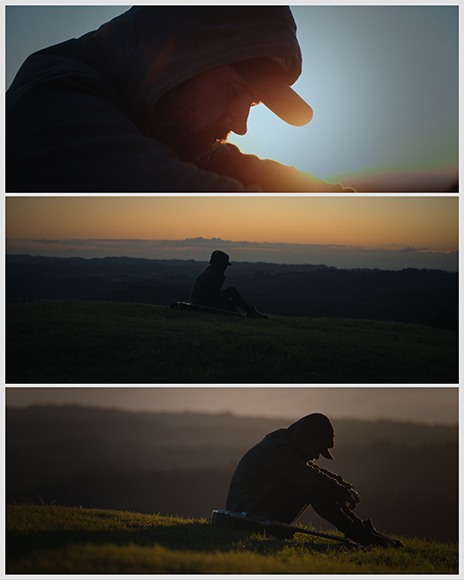
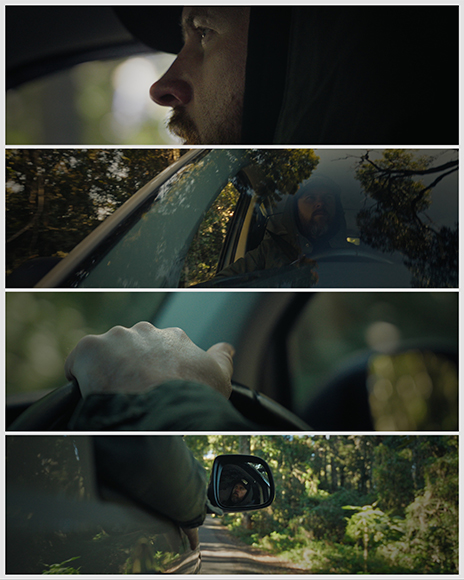
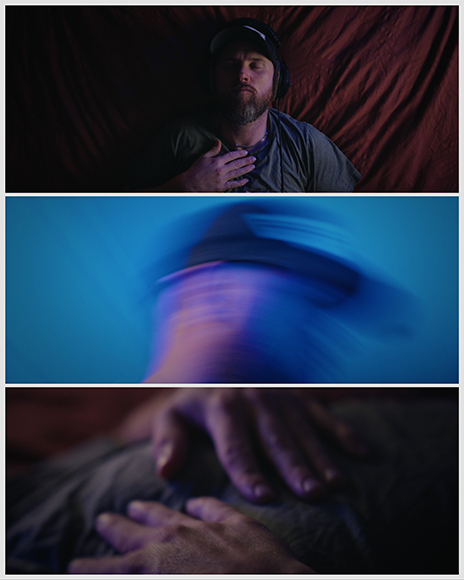
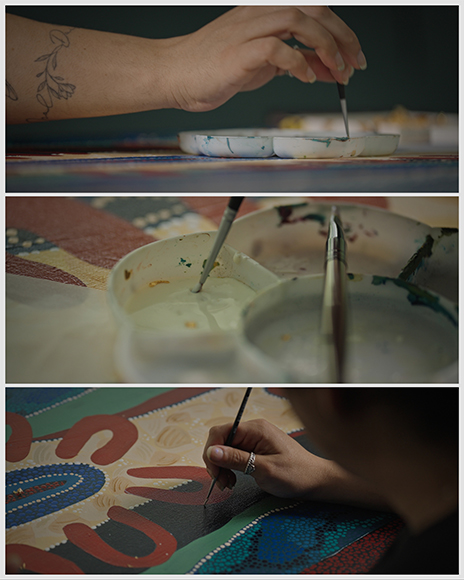
Hi, my name is Dan Jones. I’m a cinematographer based on the Gold Coast, Australia, shooting across commercial, branded, and documentary projects.
A lot of my work happens outdoors in remote locations, unpredictable conditions, and fast-moving environments, so my approach to both filmmaking and gear is built around being adaptable and reliable.
I run a lean kit that can move quickly, handle the elements, and still deliver a polished, cinematic result.
I’m drawn to story driven work, using both natural and artificial light. Whether I’m working solo or alongside a crew, I aim to bring a calm, considered presence to set and a consistent visual approach that supports the story.
Alongside freelance projects, I run Wild Track Media, a small production company where I produce content for outdoor and adventure brands.
I started out shooting on whatever I could get my hands on, which taught me pretty quickly that gear is only as useful as your ability to adapt with it. That mindset has stuck with me, especially now working in environments where things rarely go to plan.
These days my main camera package is the Sony FX6.
It’s a camera I can build up or strip right back depending on the project. On bigger productions it’s fully rigged with clean versatile audio, monitoring, and support, and in more remote or fast-moving situations I’ll run it in a stripped back configuration.
That flexibility is what makes it such a strong tool for the kind of work I do.
Alongside the FX6, I run the Sony A74 as my B camera and main stills body. It’s perfect for interviews as a second angle, but also really comes into its own on a gimbal or when I need to mount a camera in risky places.
I like to keep things simple shooting mostly zoom lenses giving me coverage from 20-200mm.
For a stylised look, I often pair my kit with vintage Canon FD glass. There’s something about the character and imperfections that help take the edge off a digital image.
In general, I don’t chase the latest piece of gear. Everything in my kit has a purpose. It needs to be reliable, adaptable, and practical enough to handle real-world conditions. Most of the time I’m working out of a backpack or a vehicle, so if it doesn’t earn its place, it doesn’t come with me.
Cameras
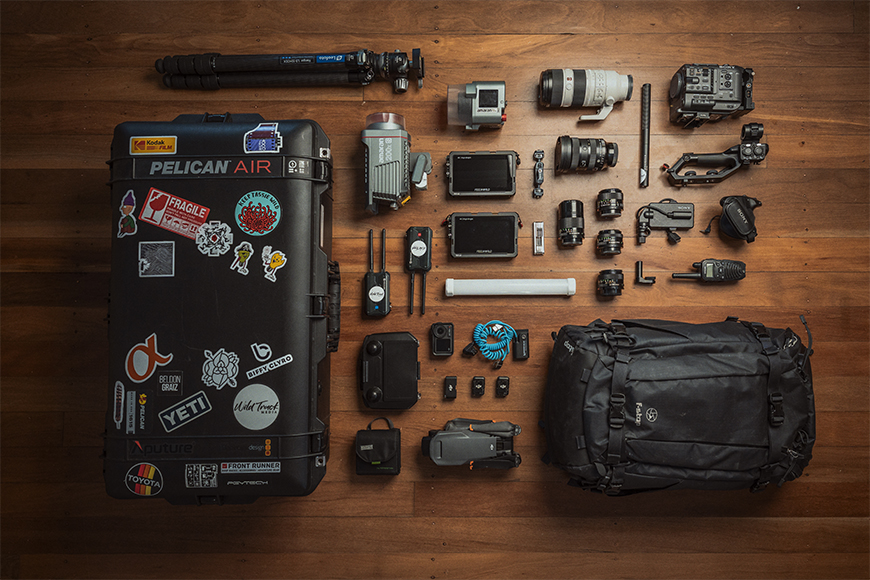
Sony FX6 – My main camera package. The dynamic range, dual native ISO, built in VND, audio flexibility and just general ergonomics of this camera is why its a staple in the industry. I feel comfortable shooting all projects with this camera.
Sony A74 -Not displayed in the image as it took the photo! This is my main stills body and B camera. I use it for a second angle in interviews and when a lighter, smaller form factor is required such as gimbal use or rigging to vehicles. It’s a great match with the Sony FX6.
DJI Mavic 3 Pro Drone – The image quality from this drone is outstanding. I love the unique perspectives I can capture with the built in 24mm and 70mm lenses.
DJI OSMO Action 4 – Great for unique angles, especially when shooting automotive.
Lenses
Sigma 24-70mm f/2.8 MKII – This lens lives on my FX6. With the clear image zoom of the FX6 I can actually get 105mm out of this lens in a pinch, making it the perfect documentary lens. It’s close focus distance is insane and makes it even more versatile.
Sony 70-200mm F/2.8 GM MKII – A beautiful, sharp lens! This pairs perfectly with my 24-70mm and realistically all I need as a two lens combo. It allows me to reach that extra distance and get stylised compressed frames.
Sony 20mm F/1.8 G – Not displayed in the image as it took the photo. You might think that 20mm isn’t much wider than the 24mm of my 24-70mm, but it makes all the difference. I’m not a big fan of super wide focal lengths but 20mm is the perfect wide field of view for what I do. At F/1.8 it is a great astrophotography lens as well.
Canon 24mm F/2.8 FD – I use this lens when I want to immerse myself in the scene with my subject.
Canon 35mm F/2.8 FD – A beautiful all rounder and full of character.
Canon 50mm F/1.8 FD – This is my favourite vintage lens in my kit. It is buttery smooth and has so much character.
Canon 135mm F/3.5 FD – I love this lens but I don’t use it enough.
For the Sony FX6 Rig:
SmallRig Extended Arca-Swiss Quick Release Plate – All of my tripods, cameras and gimbals use Arca-Swiss. This plate is actually designed to be used with the DJI RS Gimbal range, but is perfect for the FX6 as it has dual screws which helps support the weight on the camera package and prevents it from slipping and swivelling with the single screw of standard Arca-Swiss plates.
Tilta FX6 V-Mount Battery Plate – This allows me to run V mount batteries on my FX6, giving me longer battery life as well as balancing the weight of the camera.
I own two Feelworld F5 ProX 5.5” Monitors, one as my on camera monitor and the second as a wireless, director and client monitor.
These are incredibly bright, compact and have awesome monitoring options. I specifically chose these monitors because of their NPF pass through power mount on the back, allowing me to run my Hollyland wireless kit.
Hollyland Pyro H 4K HDMI Wireless Video Transmission Kit – I pair this kit with my Feelworld monitors as they mount directly on the back and it allows me to have a wireless client/directors monitor setup.
Filters and Accessories
NiSi Filters – Although the FX6 has built in ND, I still use a NiSi True Colour 1-5 stop VND on my A74. I also have a Nisi CPL.
Audio
DJI Mic 2 Lav System – A compact great quality lav system that I use through my FX6 through the MI Hot Shoe giving me a total of 4 channels of audio, including the two XLR inputs.
Sennheiser MKE600 Shotgun Mic – My on camera shotgun microphone and main boom mic when filming interviews. Affordable and incredible quality, I love this mic!
Rode NT5 – I run this in addition to my MKE600 as a backup boom microphone. It has a Cardoid polar pattern so captures a little more room tone, which is a nice option to have in the edit.
Lighting
Amaram 200x – My key light. This is compact, powerful and incredibly versatile. My other lights are from the Amaran range as well, allowing me to control them with their Sidus link app. This is a must have for me as I mostly operate solo.
Amaran 60x – A great accent or room light. It is also my key light when shooting in low light outdoor situations when I don’t have access to power as I can run this off my VMount batteries.
Amaran PT1c Tube Light – I mostly use this for a hair light, or a wrap. I can also use it to squeeze into all sorts of small positions and angles so it comes with me on every shoot.
Grip, Diffusion and Neg Fill – I have a range of C-Stands, lightweight stands, grip heads, modifiers, large diffusion, negative fill and the trusty old 5-in-1 reflectors.
This gear has been put together with the same mentality as the rest of my equipment.
This is a scalable kit, depending on the production. I can tailor it to be used on larger sets, solo productions, or even scale it right down to fly.
Bags and Straps
Pelican Air 1615 with TrekPak Dividers – A fantastic case that holds the bulk of my gear. This comes with me on every shoot.
F-Stop Ajna Backpack – I’ve been using F-Stop packs for more than ten years. This houses my lenses, A74 and anything I need regularly on a shoot.
Tripods and Support
Leofoto Tripod – I initially purchased this as a stills tripod, but I actually use it regularly with my FX6 package as well. I love how tall it is, and with no centre column!
SmallRig Tripod – A cheap, but sturdy tripod. I don’t often use tripods for camera movement, mostly pans and tilts. This tripod is perfect for static shots including interviews.
In regards to software I use; Davinci Resolve 21 Studio, Phantom LUTS, Dehancer, Adobe Lightroom Classic and Adobe Photoshop.
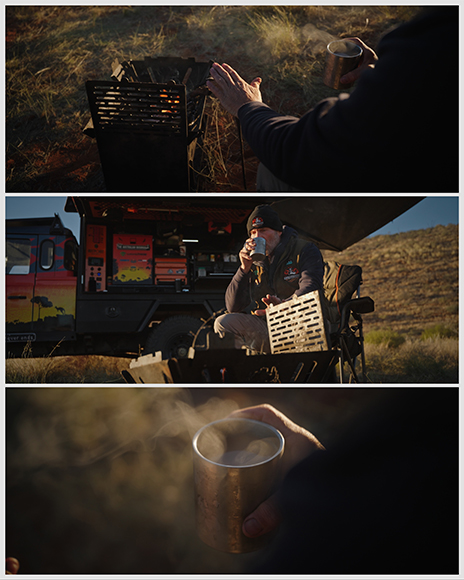
Some of the more mundane stuff but absolutely necessary; sunscreen, bug spray, a head torch, UHF Radio, snacks and of course… coffee!
At the end of the day, the biggest thing is to know your gear inside and out. Whatever you can get your hands on, set it up, use it often, and learn it back to front.
When things get fast or unpredictable on set, that familiarity is what lets you stay focused on the shot instead of the camera.
Cinematography, especially in the kind of environments I work in, is rarely controlled. Light changes, conditions shift, and you don’t always get a second take. Learning to adapt, stay present, and make the most of what’s in front of you is far more valuable than any piece of gear.
Take your time with it. Pay attention to light, movement, and how a scene feels, not just how it looks. Some of the most rewarding moments I’ve had have come from long days, rough conditions, and a lot of patience, all for a few seconds of footage that actually means something.
For me, it’s always been about creating work that feels real. Gear plays a role, but it’s only ever there to support the story.

Check out these 8 essential tools to help you succeed as a professional photographer.
Includes limited-time discounts.

WELCOME TO SHOTKIT
🔥 Popular Now: