






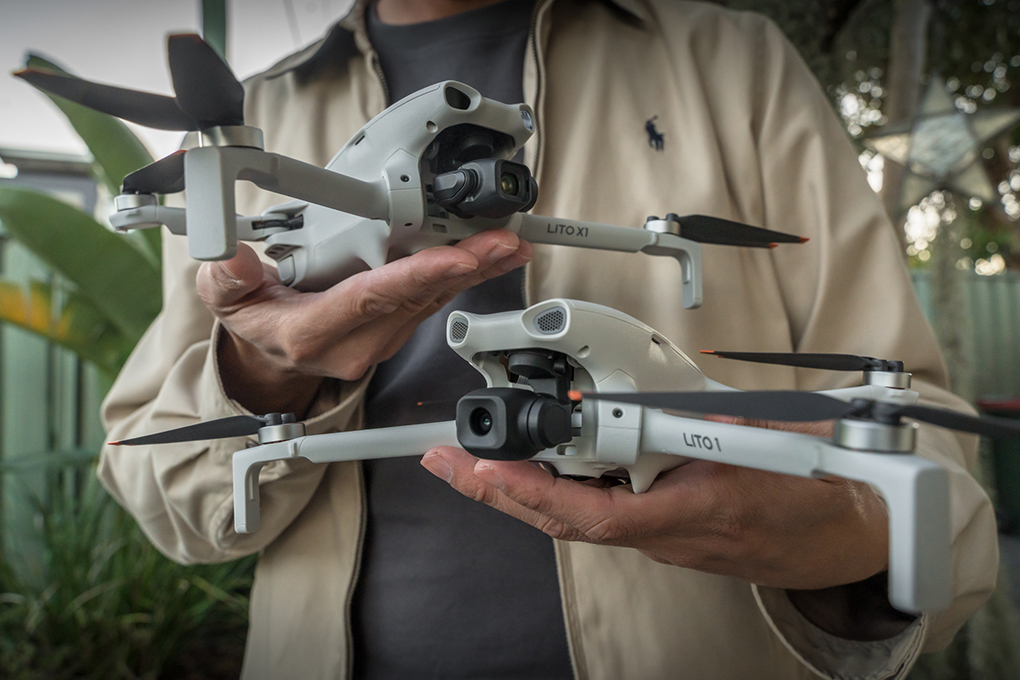
DJI Lito 1 vs DJI Lito X1: A Comparative Review
Thinking about buying a DJI Lito 1 or DJI Lito X1? Our detailed review explores their design, camera, flight performance, features, and value for money.
Drone Reviews | Photography Gear Reviews | By Tommy Williams | Last Updated: August 4, 2026
Shotkit may earn a commission on affiliate links. Learn more.
The DJI Lito Series appears to be the perfect entry point into drone photography. Positioned between the DJI Neo range and the more advanced Mini Pro series, it delivers a lightweight, travel-friendly package that strikes an impressive balance between affordability, ease of use, and image quality.
Weighing under 250g with the standard battery, the Lito 1 and Lito X1 carry forward everything that made DJI’s compact drones so popular, but at a much more accessible price point.
Small enough to slip into almost any bag and simple enough for anyone to use, the Lito is a drone you’ll find yourself taking everywhere.
When the moment calls for it, you can unpack it, send it soaring within minutes, and capture aerial views that used to cost a whole lot more to achieve.
The DJI Mini once filled a gap in the market. But as the Mini line-up evolved into a more premium “Pro” experience, a new gap began to appear.
Does the DJI Lito Series fill that space? Let’s find out.
What is the DJI Lito Series Drone?
- Great entry price
- Lightweight and perfect for travel
- Easy to get up and fly
- Fantastic cameras for the size
- Expandable onboard memory (X1)
- Susceptible to winds
- Body still feels delicate
- Propellers require a small tool to replace
- The better RC 2 controller costs more
The DJI Lito series is designed for first-time or casual drone users who want to take aerial photography seriously, but in a more affordable and easy-to-use format.
That said, even experienced or professional users may still find a lot of joy in a simple grab-and-go setup or a travel-friendly kit that lets them “just get out there and fly” without the complications or price tag that larger or higher-end models may demand.
Featuring cameras that produce great quality footage, albeit at different specs, the DJI Lito Series is a great starting point for somebody who wants a bit more than the DJI Neo, and doesn’t need as much as is on offer from the DJI Mini Pro series.
Currently available in two different models, the DJI Lito 1 is designed as an approachable entry point to aerial photography, offering intelligent flight features and reliable image quality for first-time drone pilots and everyday creators.
The DJI Lito X1, meanwhile, builds on that foundation with a larger sensor, 42 GB of internal memory, forward LiDAR-assisted obstacle sensing and enhanced video capabilities, making it better suited to enthusiasts who want greater creative control and higher-quality results.
Both come with the RC-N3, but are compatible with the better DJI RC2 controller, and also have Fly More kits available, offering additional batteries, a charging hub, and a shoulder bag.
DJI Lito Series Specs
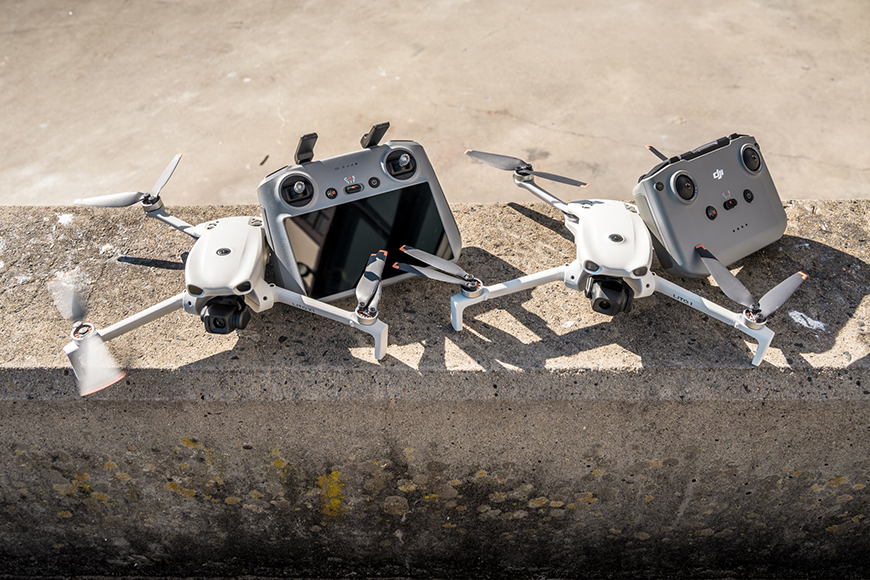
Both the Lito 1 and Lito X1 are the same size, but feature key differences under the hood and behind the lens.
- 1/2-inch CMOS Sensor
- 48MP Effective Pixels
- 4K Video Recording
- 26.2 mm (Equiv.) f/2.8 Aperture
- Intelligent Flight Modes
- Subject Tracking
- DJI O4 Transmission System
- Sub-250g Lightweight Design
- 36-Minute Flight Time
- DJI Lito Series Intelligent Flight Battery Plus Compatibility
- MicroSD Card Storage
- Compact Foldable Design
- Three-Axis Mechanical Gimbal
- Automated Shooting Modes
- DJI RC-N3 Controller
- DJI RC 2 Controller Compatibility
- 1/1.3-inch CMOS Sensor
- 48MP Effective Pixels
- 4K Video Recording
- D-Log M Colour Recording
- Full HD Slow Motion up to 200fps
- 24mm (Equiv.) f/1.7 Aperture
- Forward LiDAR-Assisted Obstacle Sensing
- 42GB Built-In Internal Storage with MicroSD Expansion
- DJI O4 Transmission System
- Intelligent Flight Modes
- Subject Tracking
- Sub-250g Lightweight Design
- 36-Minute Flight Time
- DJI Lito Series Intelligent Flight Battery Plus Compatibility
- DJI RC-N3 Controller
- DJI RC 2 Controller Compatibility
Max Takeoff Weight: Approx. 340 g
Folded (without propellers / L x W x H):
144 x 94 x 62 mm (5.7 x 3.7 x 2.4″)
Unfolded (without propellers / L x W x H):
183 x 251 x 79 mm (7.2 x 9.9 x 3.1″)
Max Flight Time:
36 minutes (Standard Flight Battery)
52 minutes (Intelligent Flight Battery Plus)
Max Range:
21 km (Standard Flight Battery)
32 km (Intelligent Flight Battery Plus)
Speed:
18m/s (64km/h) in Sport mode
12m/s (43km/h) in Normal mode
8-12m/s (28-43km/h) while Tracking
Ascent/Descent:
7 m/s (Sport mode)
5 m/s (Normal mode)
3 m/s (Cine mode)
Max Operating Time: Approx. 3.5 hours
Charging Time: Approx. 2 hours
Weight: Approx. 320 g
Dimensions (L x W x H): 104.2 x 150 x 45.2 mm (4.1 x 5.9 x 1.8″)
DJI RC 2 Specs:
Screen: 5.5-inch 1920×1080 at 700 nits
Storage: 32GB
Max Operating Time: Approx. 2-3 hours
Charging Time: Approx. 2 hours
Weight: Approx. 420 g
Dimensions (L x W x H): 168.4 x 132.5 x 46.2 mm (6.6 x 5.2 x 1.8″)
DJI Lito vs DJI Lito X1 | Similarities
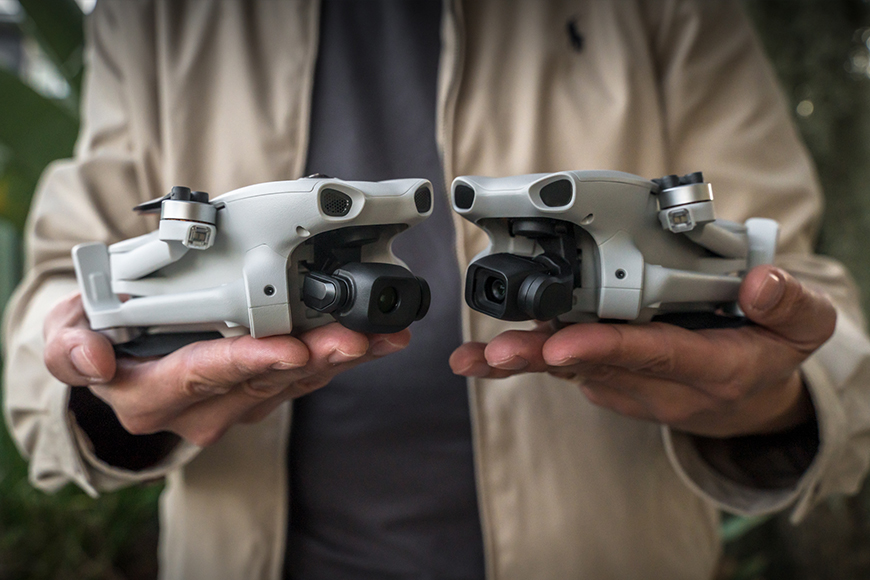
The Lito 1 and Lito X1 are the same size and weight, but is that where the similarities end?
The TL;DR is that both DJI Lito models share the same chassis and overall design, so they feel similar in the hand, fly in much the same way, and are compatible with many of the same accessories.
The real differences lie beneath the surface, so to understand which model is right for you, it’s worth also exploring where they differ, which we’ll cover in the next section.
Build & Ergonomics
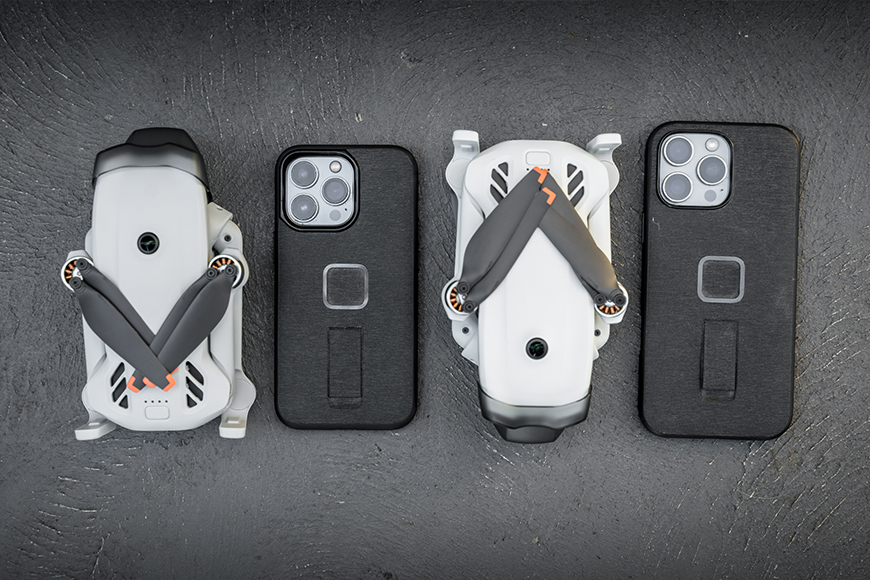
Folded, the Lito 1 and Lito X1 are sized similarly to an iPhone, but weigh just a little more than an iPhone 16 Pro Max.
Both DJI Lito models are built on the same foundation, sharing identical dimensions, an almost identical design, and a take-off weight of approximately 249g with the standard Intelligent Flight Battery.
Folded down, both drones fit comfortably in the palm of your hand, with a footprint not much larger than a typical smartphone. They’re also surprisingly light, weighing only slightly more than an iPhone 16 Pro Max (which is 227g).
That 249g take-off weight places both models in the popular sub-250g category, which often comes with fewer regulatory requirements in many parts of the world.
Keep in mind that adding accessories such as propeller guards or the DJI Lito Series Intelligent Flight Battery Plus increases the weight towards the maximum limitation of 340g.
Depending on where you fly, this will likely also move the drone up into a different regulatory category with additional operating requirements.
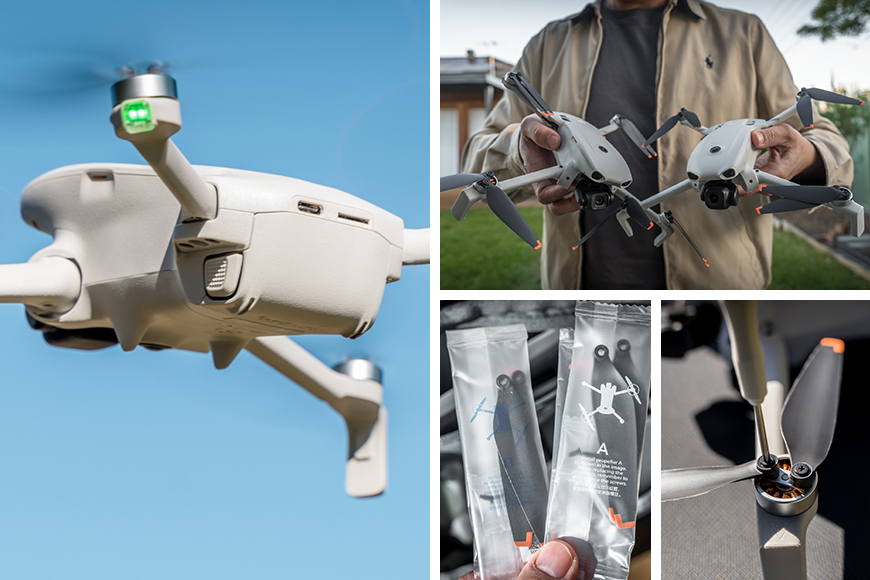
They’re a small package, but bundle in a lot of features. But with that small size does come compromises to keep the weight down.
Both drones use the same four pairs of thin and light propellers, which are replaced using the supplied screwdriver.
Each propeller must be installed in its designated position, which is marked on the replacement packaging. I overlooked this during my first replacement and accidentally fitted them incorrectly, causing the Lito 1 to flip over immediately after take-off.
One feature I really appreciate is how sensitive the motor monitoring system is. The drone can detect damaged or cracked propellers before they become a bigger problem, adding an extra layer of safety that many may never even notice.
Because the Lito Series is so compact, I’d also recommend picking up a small landing pad. The motors and propellers sit very close to the ground, and the sensors are sensitive enough that even a single blade of grass can trigger the sensors to stop the propellers from spinning during take-off.
Larger drones tend to be far more forgiving. My old Mavic Pro would happily double as a lawn mower without a second thought and would also happily fly home with small chunks of propeller missing.
Ease of Use and Handling
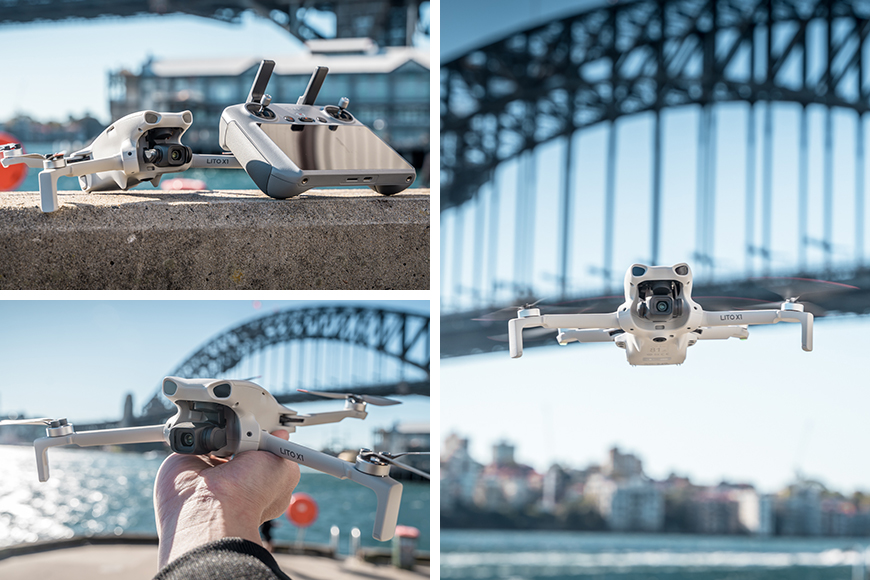
Hand launching and catching is really easy with the DJI Lito series, and is the preferable way to do it should ground conditions not be suitable.
Getting either DJI Lito into the air is remarkably straightforward. Over the years, DJI has refined the entire flying experience, making pairing quick, take-offs and landings largely automated, and the controls intuitive enough that you’ll be airborne within minutes.
In fact, just opening a couple of the arms of the drone is enough to trigger its boot-up sequence. Which is great, except when you’re just opening it at home to show somebody! Thankfully, the propellers don’t move unexpectedly.
If ground conditions are rough or grass is too tall, hand launching and catching the DJI Lito 1 or Lito X1 is remarkably easy. Just keep your hand flat and fingers out of the way of the blades.
Once in the air, the drones hover confidently and respond smoothly to every input. Whether you’re making gentle adjustments or flying aggressively, the controls feel predictable and relatively easy to master. Releasing a stick will halt the movement of the drone in that direction immediately.
In the DJI Fly app and RC 2 controller, there’s so much automation available that you can capture great footage without needing to understand every technical detail behind the scenes. Instructions will also display on the screen when relevant.
That said, the more you know, the more rewarding the experience becomes. Features like ActiveTrack are only a tap away, camera settings can be left on Auto or adjusted manually, and regardless of which controller you’re using, several key functions are available through dedicated buttons and dials.
It may just take a little getting used to remembering which does what, as there’s quite a wide variety of features within the App. But again, if you’d prefer to leave it up to the software, you can just leave it all in Auto mode.
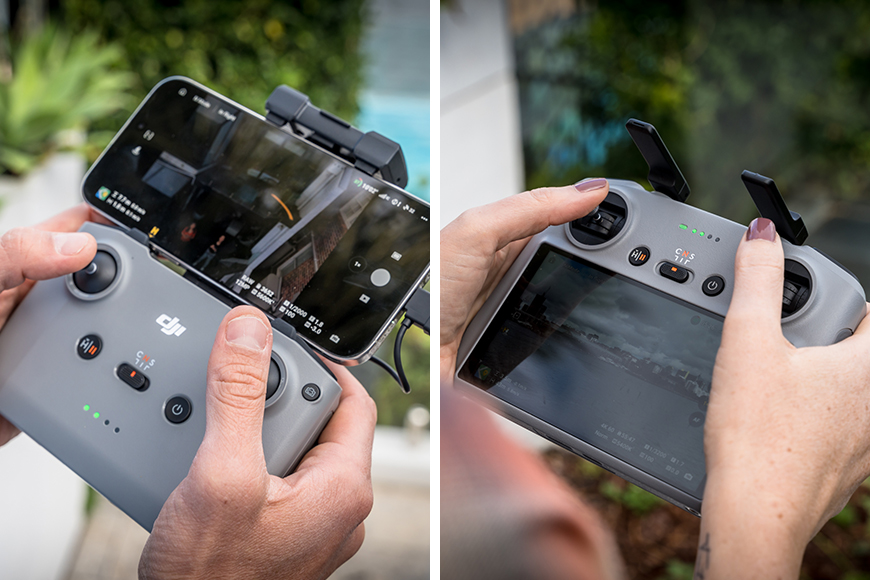
Whichever controller you choose, you’ll be able to achieve the same results. The DJI RC 2 just makes the experience a little more convenient, thanks to its built-in screen and a couple of extra physical buttons.
The DJI RC 2 is essentially the DJI Fly app built into a purpose-designed controller, complete with a bright integrated display and additional physical controls.
Both the RC 2 and the DJI Fly app provide access to the same core features and deeper settings, letting you switch flight modes, adjust the gimbal, and capture photos or video with ease. The RC 2 simply places more of those controls at your fingertips, making it a little quicker to operate without taking your eyes off the drone.
In addition to typical Auto mode for photography and video settings, there are a few creative automated software features available:
- ActiveTrack: Automatically follows moving subjects like people, bikes or vehicles.
- MasterShots & QuickShots: Executes pre-programmed cinematic camera movements, like Dronie (drone selfie), Rocket, Circle, and Helix.
- Hyperlapse & Panorama: Creates automated time-lapse or wide-angle panoramic photo sequences (including 360!).
- Cruise Control: Maintains a constant flight speed and heading for smooth manual framing.
- Waypoint Flight: Allows you to map out custom, automated flight routes for repeatable paths.
That said, don’t be in too much of a hurry to take off. Before launching, give the drone a moment to connect to multiple satellites and confirm that the home point has been successfully recorded.
Depending on where you are, it may only take a few extra seconds, but it gives the Return to Home feature a reliable location to fly back to if needed.
The battery level indicator does a great job of providing an audible warning well before the battery becomes critically low, automatically prompting the drone to return home when necessary. This can be overridden if you’re not quite ready to bring it back, and you’re confident you can bring it home in time yourself.
However, the Lito Series’ lightweight design does make it more susceptible to stronger winds, particularly found at higher altitudes. Fighting against those winds can drain the battery faster than expected, so it’s worth keeping an eye on your remaining flight time.
Should you fly out of range or lose signal altogether, the Return to Home feature will set off an alert on your controller and automatically guide the drone back to its recorded home point.
There’s also a button to manually trigger the Return to Home feature, should you prefer to let the drone itself fly back for you instead.
Flight Time & Performance
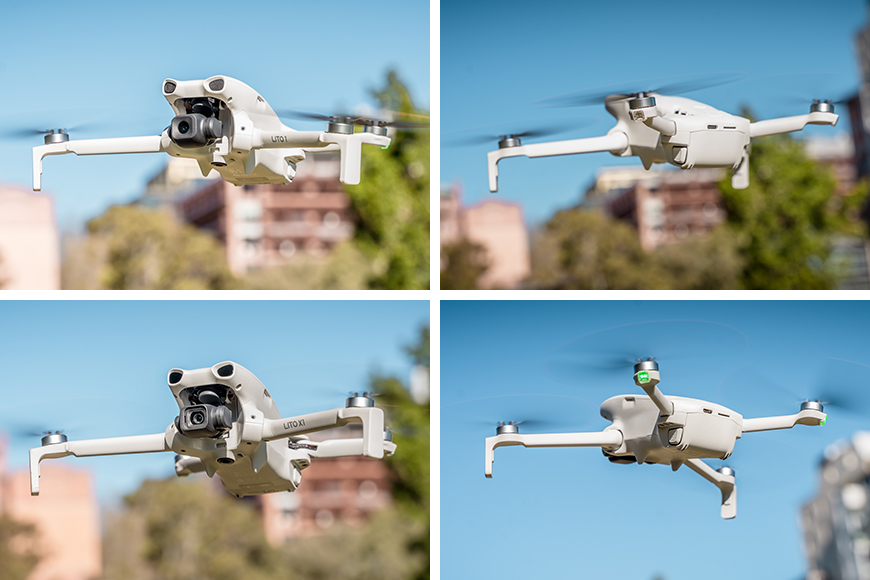
Both the Lito 1 and Lito X1 share the same flight characteristics, so neither has an advantage over the other when it comes to flight performance.
Once in the air, both the DJI Lito and Lito X1 offer impressive performance for their compact size. They can reach speeds of up to 18 m/s (64 km/h) in Sport mode, 12 m/s (43 km/h) in Normal mode, and between 8 and 12 m/s (28 to 43 km/h) while tracking subjects. That’s more than enough speed to quickly move around a location and capture a unique perspective from above.
Vertical performance is also identical between the two models, with ascent and descent speeds reaching 7 m/s in Sport mode, 5 m/s in Normal mode, and 3 m/s in Cine mode. Both drones also utilise DJI’s proven O4 transmission system, providing a reliable connection between the drone and controller.
Flight time is fairly typical for DJI’s sub-250g drones, with both models capable of up to 36 minutes using the standard Intelligent Flight Battery, or up to 52 minutes when using the higher-capacity DJI Lito Series Intelligent Flight Battery Plus.
As always, real-world flight time will depend on conditions such as wind, temperature, altitude, distance travelled and how aggressively you fly. These little drones may be lightweight, but they can still handle battery-draining wind speeds of up to 38km/h.
I tested this wind resistance along the coastline, and while the drone was able to hold its position, it was definitely working hard against the gusts. The biggest challenge came during landing, where reducing propeller speed gives the wind more opportunity to push the drone around.
In my case, the gusts shoved the landing drone across the ground and into a wall, resulting in a cracked propeller.
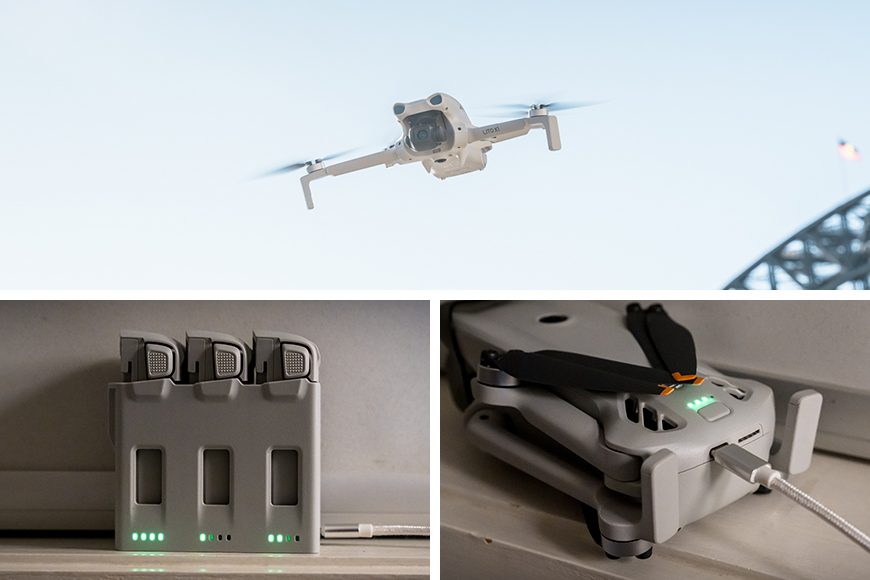
It’s hard to tell from the photo, but the Lito was pitching its nose down dramatically as it fought against the strong gusts. Thankfully, recharging the batteries after the short flight was a breeze thanks to the charging hub.
If you do happen to run your batteries flat, getting back into the air doesn’t take too long, provided you have access to power. Batteries can be charged in a few different ways, including directly inside the drone, but the fastest charging performance comes from using the DJI Charging Hub with the DJI 65W Portable Charger.
The Charging Hub can recharge one standard Lito or Lito X1 Intelligent Flight Battery in approximately 45 minutes, three in approximately 87 minutes, or three higher-capacity Lito Series Intelligent Flight Battery Plus units in around 130 minutes. Batteries can also be charged inside the drone itself, albeit at a slower rate.
All of this timing depends on how much power the chargers can draw; a lower-capacity wall socket or cable will increase the overall charging time.
While flying beyond visual line of sight is not recommended and may not be permitted depending on local regulations, DJI rates both drones with impressive transmission distances of up to 20 km using the standard battery, or up to 32 km with the larger-capacity battery.
DJI Lito vs DJI Lito X1 | Differences
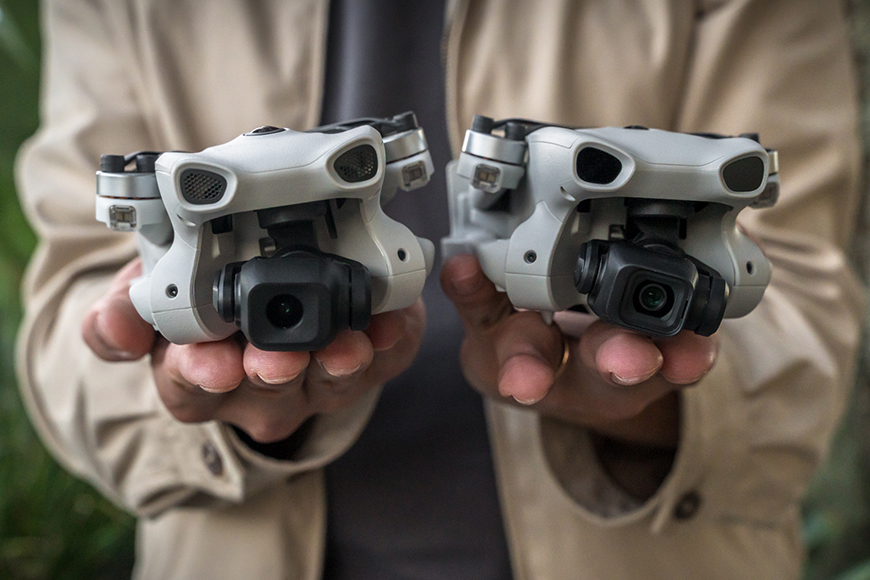
At first glance, they’re the same device; however, a keen eye will notice the camera and the body colour.
As per the previous section, we’ve talked about how the DJI Lito 1 and DJI Lito X1 are very similar at first glance, but I assure you, there is a reason for both models existing.
Choosing between them ultimately will come down to which features matter most to you, and whether those upgrades are important, noticeable or even necessary for the way you plan to fly.
The TL;DR version of this section is simple: the Lito X1 steps things up with a larger 1/1.3-inch sensor, forward LiDAR-assisted obstacle sensing, enhanced video capabilities and 42GB of built-in internal storage, making it the more capable option for those wanting extra room to grow.
Overall Differences
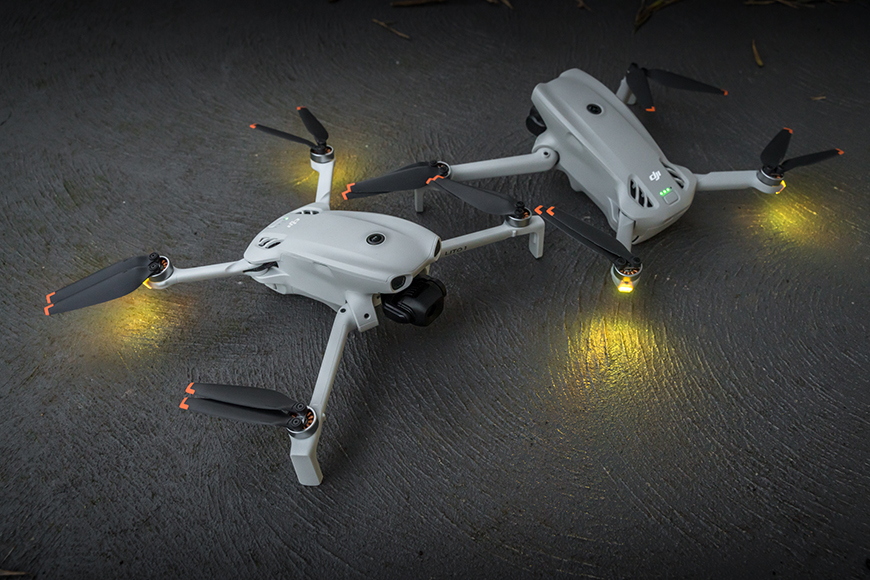
The DJI Lito 1 and Lito X1 are built on the same foundation, but designed with different priorities in mind.
You’d be hard-pressed to tell them apart when they’re sitting side by side, but there is a subtle difference in the shade of grey used for the body.
Aside from the logo on the front, the camera also serves as a point to identify either model. Another spot is the front sensor area, where the Lito 1 features mesh instead of front obstacle sensors.
But as mentioned earlier, the biggest difference is on the inside, starting with the camera. The Lito X1’s larger 1/1.3-inch CMOS sensor, compared to the 1/2-inch CMOS sensor in the Lito 1, delivers improved dynamic range, greater detail and slightly stronger low-light performance.
It also benefits from a brighter f/1.7 aperture, allowing it to capture marginally more light in challenging conditions.
For those wanting a more cinematic approach to video, the Lito X1 also supports DJI’s optional ND filters, helping reduce shutter speed in brighter environments. It also introduces D-Log M colour recording and Full HD slow motion at up to 200fps, providing greater flexibility when editing footage.
Beyond the camera difference, the Lito X1 includes 42GB of built-in internal storage alongside a microSD card slot. This provides a convenient backup option if you forget a memory card, whereas the Lito 1 relies solely on expandable storage.
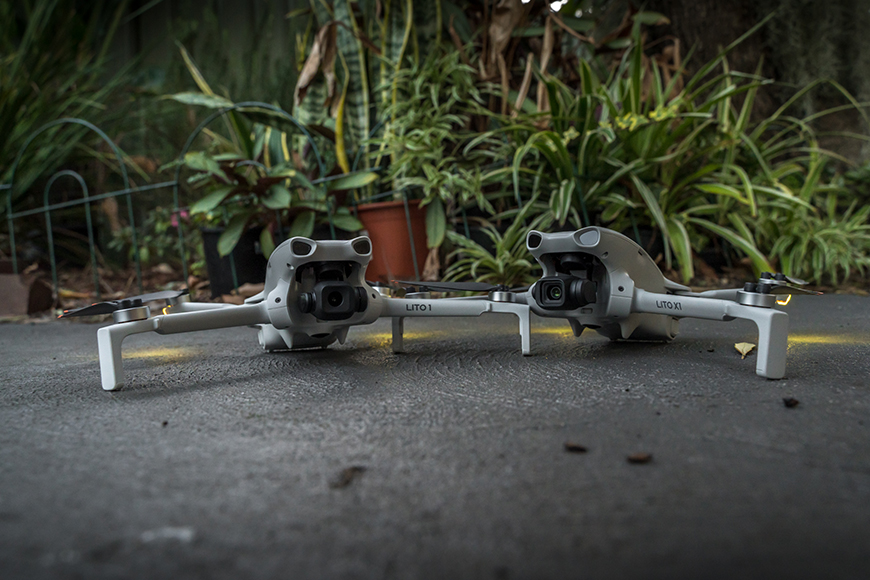
Are the Lito X1’s extra features worth paying for, or would the Lito 1 be all you need?
Safety is another area where the X1 gains an advantage, with the addition of a forward LiDAR sensor. This helps improve obstacle detection, particularly when flying in lower-light conditions or more complex environments where additional awareness can be beneficial.
The Lito X1 also has Route Memory, which allows the drone to memorise previously flown routes in well-lit areas, enabling safer Return to Home even when satellite reception is poor or unavailable, adding another layer of confidence while you’re in the air.
The Lito X1 also comes with a slightly larger 2,788mAh Intelligent Flight Battery compared to the Lito 1’s 2,590mAh battery. However, despite the difference in capacity, both drones offer essentially the same flight time, with the additional battery capacity likely helping support the X1’s larger sensor, enhanced camera features and LiDAR system rather than extending overall endurance.
Both drones are also compatible with the optional DJI Lito Series Intelligent Flight Battery Plus, with its 4,680mAh capacity, for those wanting to maximise their time in the air.
Image Quality
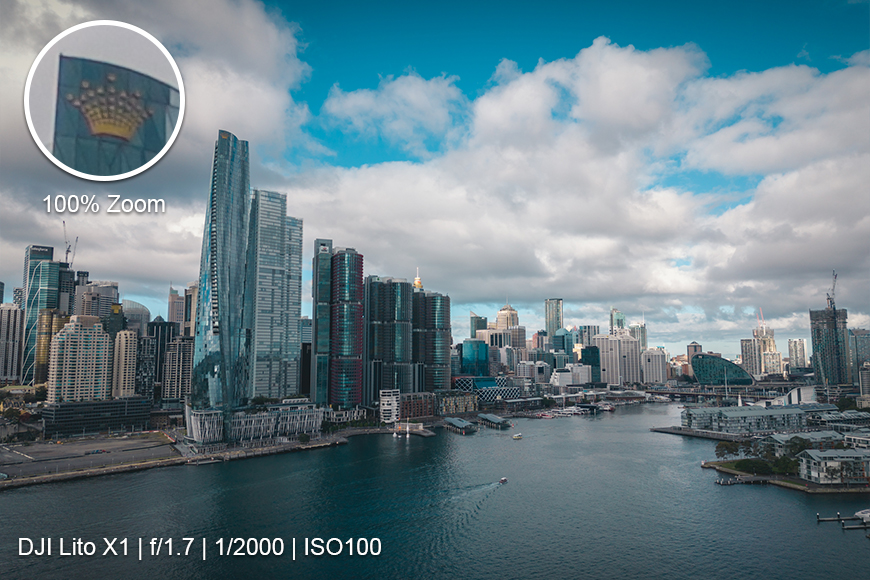
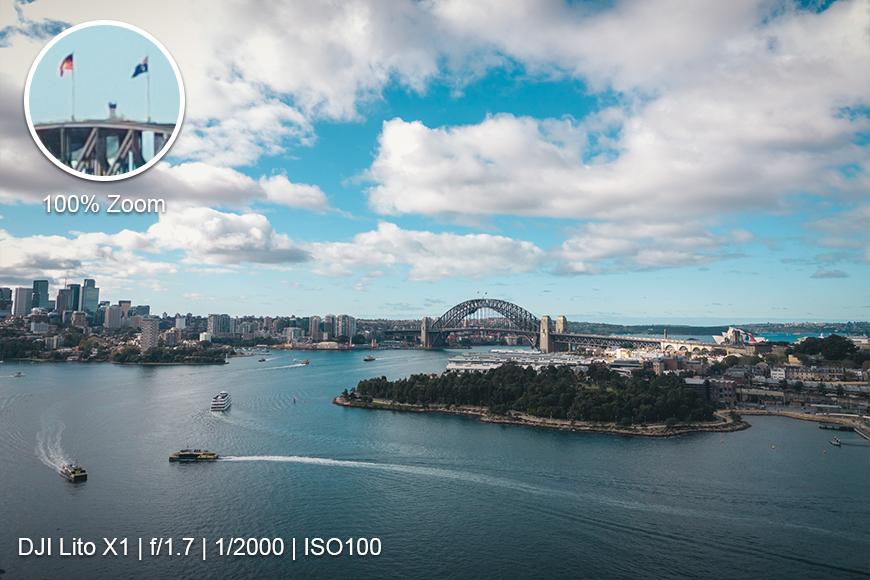
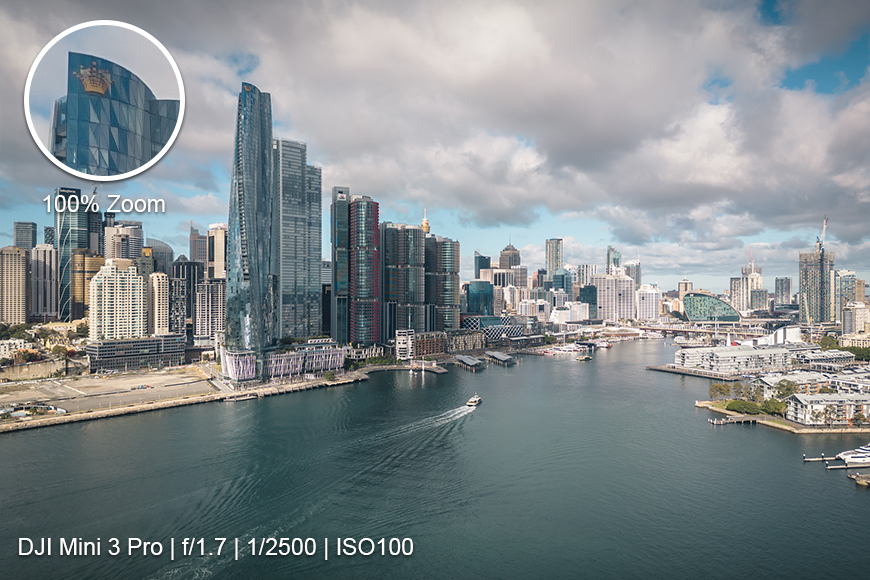
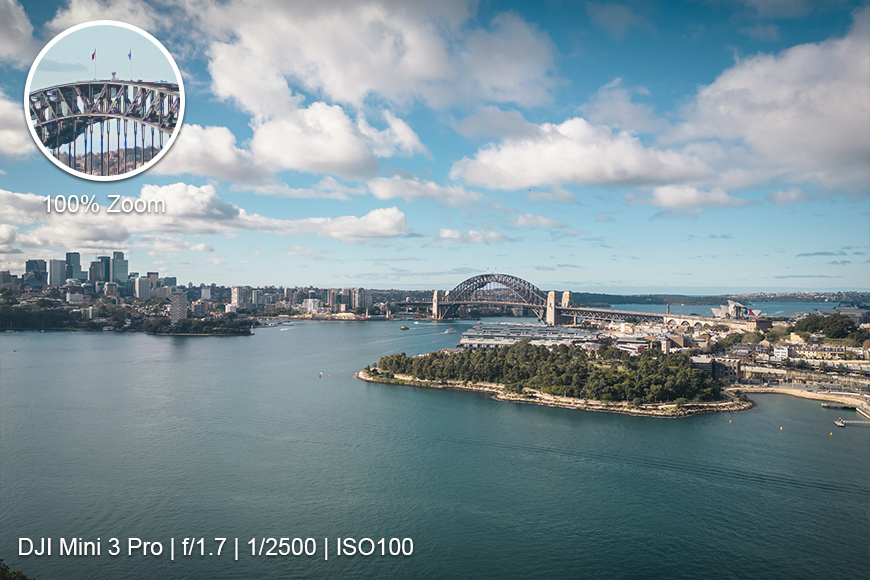
Here are three examples of the image quality from the Lito 1, Lito X1 and the Mini 3 Pro. Each photo was taken within minutes of the other, with all three drones launching vertically from the same location and only rotated to achieve each composition. Images were captured at similar, though unmeasured, heights using comparable camera settings.
I didn’t do a good job of matching the composition or exact flight height between the shots, as this was a last-minute decision, but hopefully they still provide a good indication of what each drone is capable of.
All six images have also had the exact same Lightroom preset and adjustments applied, with the white balance set identically across each photo to keep the comparison as consistent as possible.
The DJI Mini 3 Pro example has simply been included to show how a previous generation model (2022) compares with these newer drones. It’s also a great reminder that you don’t need to spend top dollar to capture impressive images, with the more affordable Lito Series proving just how capable it can be.


DJI RC-N3 vs DJI RC2
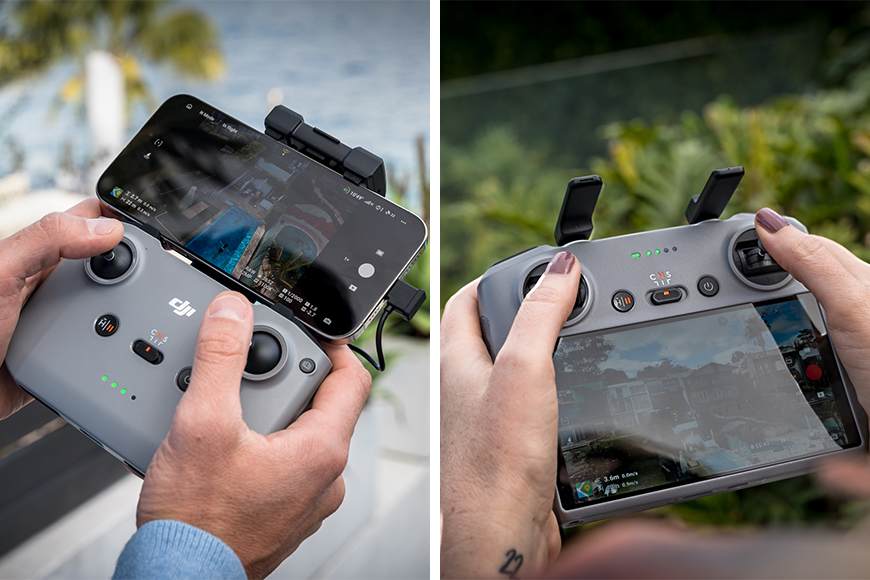
Whichever controller you choose, you’ll get the same software experience. The DJI RC 2 simply adds a few quality-of-life improvements that make flying a little more convenient.
As a standard offering, DJI includes the RC-N3 controller with both the Lito 1 and Lito X1. The DJI RC-N3 uses your smartphone as its display, relying on the DJI Fly app and your phone’s battery and connectivity.
Two cables are included to connect your preferred smartphone: a USB-C-to-USB-C and a USB-C-to-Lightning. The selected cable conveniently tucks away within the controller, underneath the clamp that expands to secure your device.
The DJI RC 2 features a bright built-in touchscreen, allowing you to power on and fly without connecting a smartphone, resulting in a faster and more streamlined experience.
While both controllers offer excellent flight performance, the RC 2 is the more premium option for those who value convenience, reliability and an all-in-one flying experience. It’s undeniably my preference of the two.
Both the Lito 1 and Lito X1 are compatible with the RC 2, but only the X1 seems to have a Fly More Kit option that bundles the RC 2 with it.
I handed both controllers to my cousins, who had never flown a drone before, and they picked it up almost immediately. The controllers felt comfortable in the hand, with every control easily within reach.
After a few moments experimenting with the buttons and sticks, they were confidently zooming through the air, swapping between photo and video, confidently capturing footage.
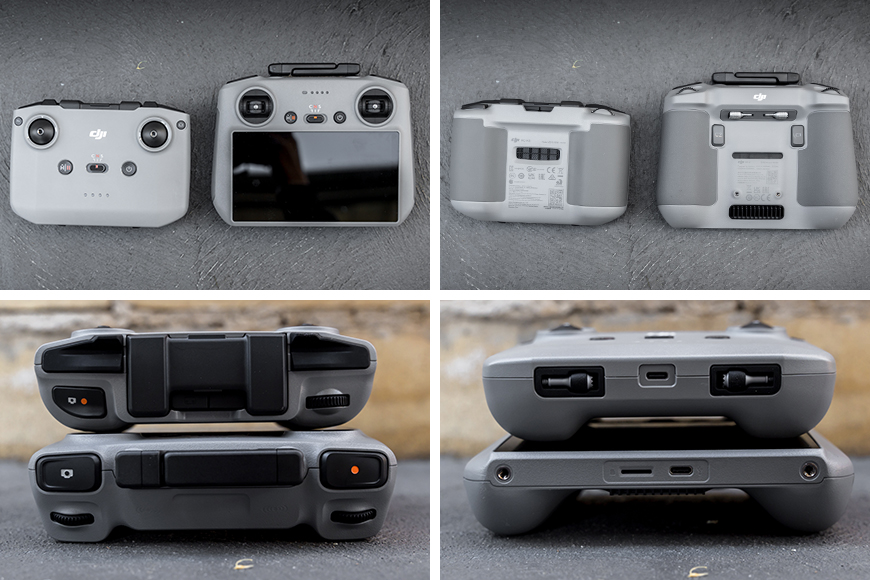
DJI has come a long way with their standard controller, but the RC 2 definitely is a premium option. Not necessary, but it is my personal preference of the two, should budget permit.
Regarding the RC-N3 though, I still remember the early days of the original DJI Mavic Pro, where I’d occasionally run into connection issues between the controller, my phone and the DJI app. Whether it was app updates, connection dropouts, dusty charger ports, or an incoming phone call interrupting everything, there always seemed to be something getting in the way.
Thankfully, I haven’t experienced those problems with the RC-N3. DJI have come a long way with this format. Even so, if your budget allows, I’d still recommend choosing the DJI RC 2. It’s a far more streamlined experience, letting you power on and start flying with far fewer distractions.
Alternatively, if you have a spare smartphone lying around, dedicate it to flying instead of using your everyday device. This helps avoid interruptions from calls, notifications or background apps, but if that’s not an option, it’s certainly worth enabling Do Not Disturb or silencing notifications before taking off.
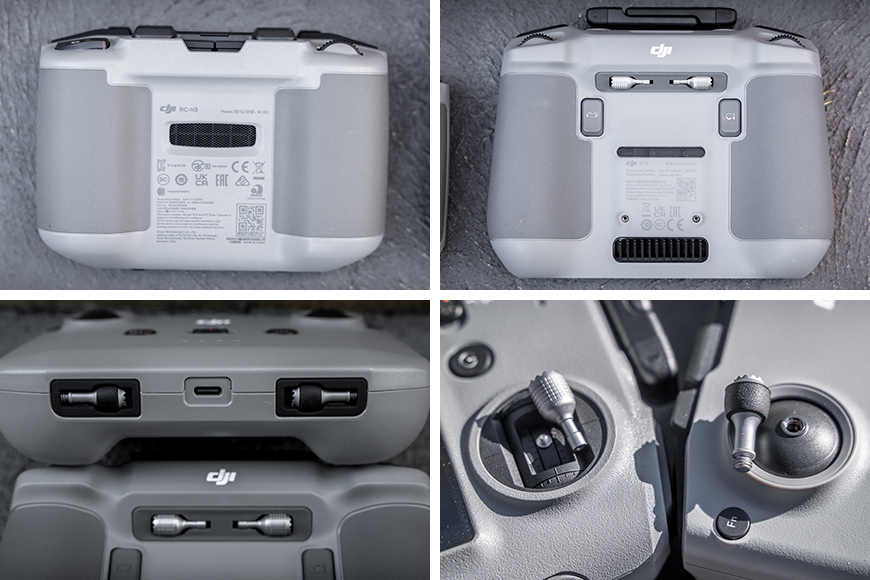
A closer look at the back of the controllers, and the removable thumb sticks. I still worry I’ll lose them.
Another difference between the two controllers is the number of physical controls available. The DJI RC 2 includes a pair of additional rear trigger buttons, along with a couple of extra buttons on the top, giving you quicker access to commonly used functions without needing to navigate menus.
Both controllers feature removable control sticks, making them easier to pack away for travel. It’s a thoughtful design that helps keep their overall size down, although I’ll admit I still worry about dropping them.
DJI Lito Fly More Kit with Shoulder Bag
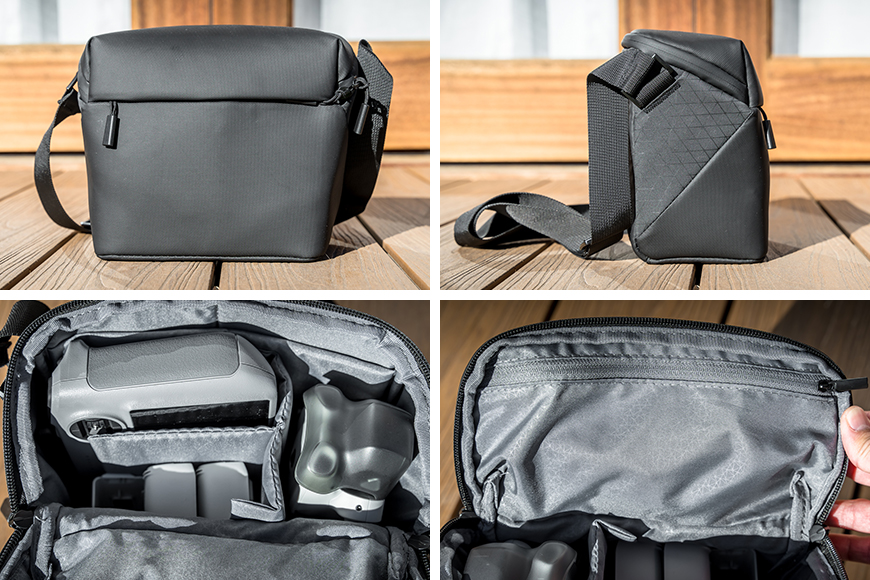
The shoulder bag included with the Fly More Kit is a great addition. It isn’t a tight squeeze, making it easy to pack everything away, while still leaving enough room for a few extra accessories if you need them.
The shoulder bag included with the DJI Lito Fly More Combo is a genuinely useful addition. I’ve been using a similar one since buying my DJI Mini 3 Pro a few years ago, and aside from a few minor refinements, it hasn’t changed much, which isn’t a bad thing.
There’s enough room to carry the complete drone kit, along with a few extra essentials like spare accessories, a foldable landing pad, smartphone or even a small tablet. It’s compact enough to slip into most backpacks without taking up too much room, making it an easy companion for travel or day trips.
Of course, you’re free to choose your own storage solution. Plenty of people prefer a hard case with custom foam inserts, but personally, I’ve never found one necessary. The included shoulder bag does an excellent job of protecting the drone while remaining far more practical for everyday use.
The extra batteries alone make the Fly More Combo worth considering. Flight times can quickly shrink when you’re battling wind or spending extra time capturing the perfect shot, so having spare batteries ready to go means less waiting and more flying.
The included Charging Hub is equally handy, allowing you to recharge multiple batteries at a faster rate from a single device, while reducing the hassle of charging them individually.
If you don’t need everything included in the Fly More Combo, DJI also sells each accessory separately. Whether it’s an extra battery, the Charging Hub or another replacement item, you can simply pick up what you need as your kit grows.
One advantage exclusive to the Lito X1 Fly More Combo is the option to swap the standard DJI RC-N3 controller for the DJI RC 2. It certainly adds to the overall cost, but the built-in display means there’s no need to connect your smartphone before every flight.
Alternatives to the DJI Lito Series
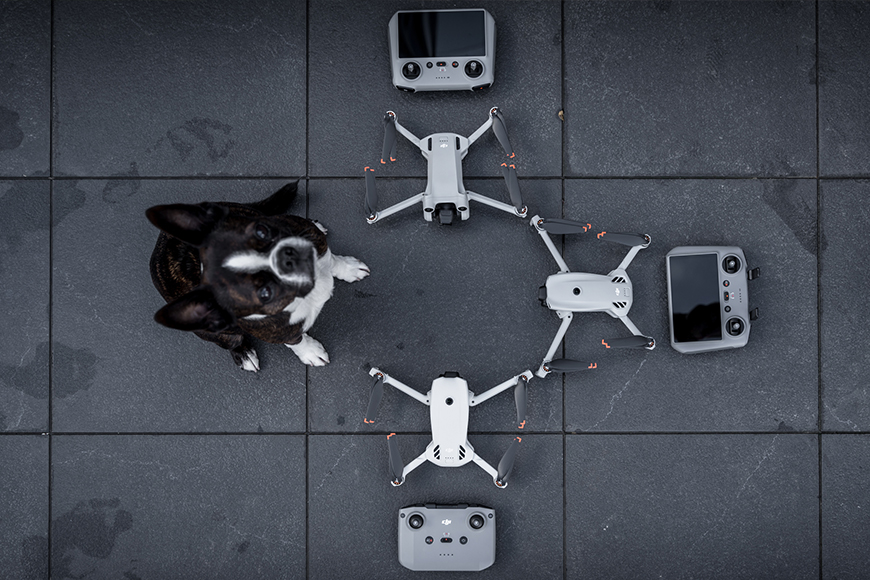
DJI seem to have a drone to suit almost every budget and need. Their sub-250g lineup has something for everyone, with the Lito series sitting right in the middle.
DJI’s sub-250g drone line-up now includes several different options, which can make choosing the right one a little confusing. To help differentiate between them and to not ramble on, I’ve put together a quick comparison highlighting the key differences in a format that’s hopefully easier to understand.
Summary:
- DJI Neo 2: “I want a flying selfie camera.”
- DJI Flip: “I want a safe, fun drone that I can confidently fly almost anywhere.”
- DJI Lito 1: “I want my first proper camera drone.”
- DJI Lito X1: “I want the best value enthusiast drone.”
- DJI Mini 4 Pro: “I want a premium sub-250g camera drone.”
- DJI Mini 5 Pro: “I want the very best sub-250g camera that DJI makes.”
Detailed:
- DJI Neo 2: The Neo 2 uses a 1/2-inch 12MP sensor and focuses on simplicity. Features like palm take-off, AI subject tracking and automated flight modes make it an easy drone for anyone to pick up and fly.
- DJI Flip: The Flip moves to a larger 1/1.3-inch 48MP sensor while keeping features like hand launch, intelligent flight modes and built-in propeller guards. It offers better image quality than the Neo 2 without becoming much more difficult to use.
- DJI Lito 1: The Lito 1 uses a 1/2-inch 48MP sensor and is designed as a traditional camera drone. It offers more manual control and aerial photography features than the Neo 2 or Flip, making it a natural next step.
- DJI Lito X1: The X1 upgrades to a 1/1.3-inch 48MP sensor and adds forward LiDAR-assisted obstacle sensing, along with improved video capabilities. The larger sensor also provides better low-light performance and dynamic range.
- DJI Mini 4 Pro: The Mini 4 Pro also uses a 1/1.3-inch 48MP sensor, but adds DJI’s more advanced camera system, omnidirectional obstacle sensing, true vertical shooting and additional intelligent flight features.
- DJI Mini 5 Pro: The Mini 5 Pro introduces a 1-inch 50MP sensor, allowing it to capture more light, improve dynamic range and produce cleaner footage in low light. It also includes DJI’s most advanced imaging and flight features in a sub-250g drone.
Value For Money
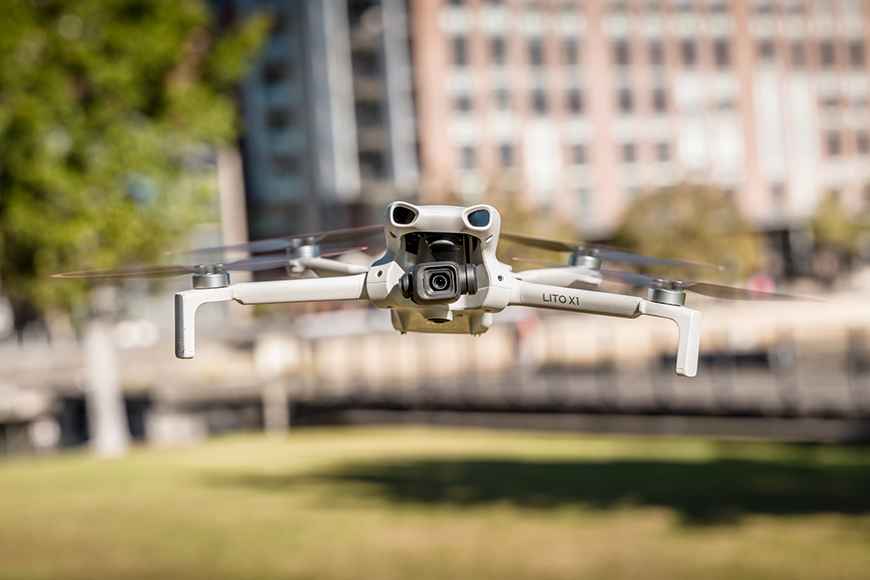
I believe the Lito does fill the gap left by the Mini going “Pro”, bringing the focus back to affordability and accessibility.
The DJI Lito 1 starts at AU$539 (approx. US$350), while the DJI Lito X1 comes in at AU$619 (US$400) for the standard kits. Opting for a Fly More Kit adds around AU$240–280 (US$155–180), while choosing the DJI RC 2 Fly More Kit option adds another AU$170 (around US$110) on top of that.
At face value, the Lito 1 is only AU$80 (US$50) cheaper than the Lito X1, but it’s still AU$139 (US$90) more expensive than the DJI Neo 2. That’s led many to question where the Lito 1 fits in the line-up, but once you consider that drones are often a hobby purchase rather than an everyday essential, the decision becomes a little more understandable. Not everyone wants to spend more on features, or even on a device that they may rarely get a chance to use.
Then again, if you’re already comfortable spending over AU$500/US$325 on a drone, another AU$80/US$50 to step up to the X1 starts to look like good value.
The biggest upgrade is the camera. The Lito X1 replaces the Lito 1’s 1/2-inch sensor with a larger 1/1.3-inch sensor, resulting in better low-light performance, greater dynamic range and higher-quality photos and video.
It also introduces forward LiDAR-assisted obstacle sensing, enhanced video capabilities and more advanced intelligent flight features, giving you more room to grow as your skills improve.
Of course, those upgrades won’t matter to everyone. If you’re mostly flying in wide open spaces, obstacle sensing becomes less of a necessity. Likewise, if your footage is destined for social media or you’re simply capturing family holidays and weekend adventures, the Lito 1’s camera is more than capable, and the lack of higher-end video features or additional slow-motion options may never be noticed.
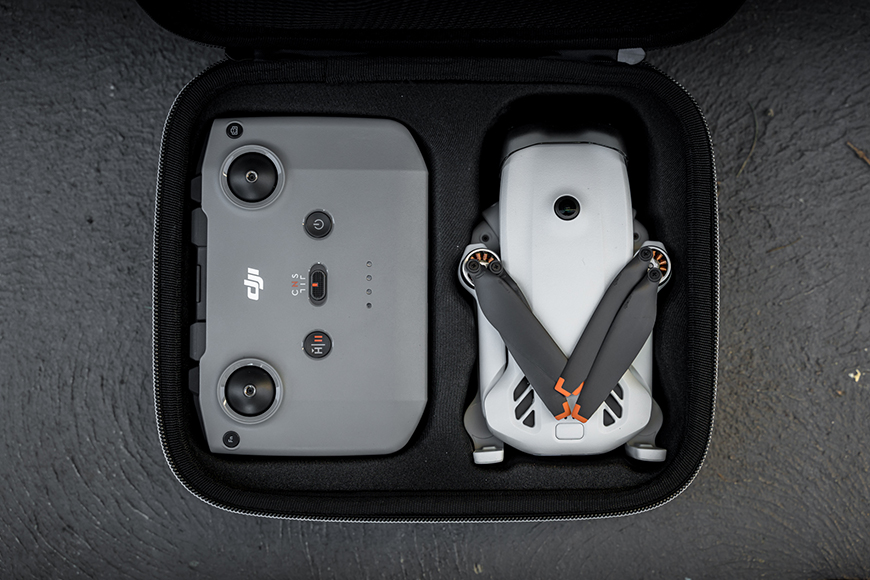
If you order the Lito without the Fly More Kit, it won’t come with a storage bag or case, so I recommend sourcing your own.
The money you save could instead go towards extra batteries, a carry case or other accessories that will likely have a bigger impact on your overall flying experience.
But, if you’re not purchasing the Fly More Kit, you’ll still need a storage solution of some kind. There are plenty of options out there, and some of which are actually quite cheap. The one pictured above cost me only AU$17 and has a mesh zipper pouch for the spare cables and propellers.
That said, if your budget is already in Lito 1 territory, I’d still strongly consider stretching to the Lito X1. For a relatively small jump in price, you gain meaningful improvements across the camera, flight safety and creative features, giving you a drone that’s less likely to feel limiting as your confidence and experience grow.
DJI Lito vs DJI Lito X1 | Final Words
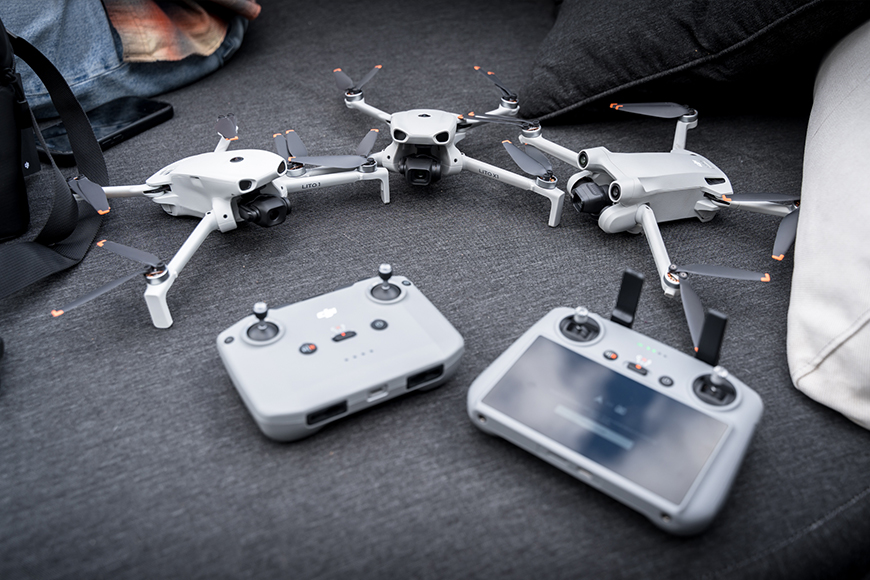
Coming from the DJI Mini 3 Pro, I feel the Lito has earned its place in DJI’s lineup. For those who don’t want to spend the extra money on a Mini Pro, you’ll find the Lito delivers a great balance of features, quality and value.
At the end of the day, it all comes down to what you’re looking for in a drone. Is this your first drone, an upgrade from an older model, or a more affordable companion to something you already own?
For me, the DJI Lito X1 is the sweet spot of the range. While the Lito 1 is the cheaper option, the additional features on offer represent excellent value. The larger camera sensor provides a little step up in image quality, while the forward LiDAR-assisted obstacle sensing could be the feature that saves your drone when using tracking modes or flying through tighter, more complex environments. It’s also a drone you’ll have a little more room to grow into as your skills and confidence improve.
If you already own a higher-end drone and are looking for a lightweight, budget-friendly travel companion without stretching to the Mini Pro series, the Lito X1 makes a compelling case. It delivers many of the features experienced users appreciate, while remaining quick, approachable and easy to get in the air.
That said, the DJI Lito 1 is still an excellent entry point into the hobby. If you were originally considering the DJI Neo series, it’s well worth looking at if your budget can stretch a little further. It would also make a fantastic gift for someone who’s always been curious about drones but hasn’t taken the plunge, offering a capable and approachable platform that’s easy to learn.
It also gives buyers a chance to save a little money without sacrificing the fundamentals. You’ll still come away with a capable camera drone that produces impressive footage, is enjoyable to fly, and provides an accessible way to experience aerial photography wherever your adventures take you.

Tommy Williams is a travel photographer from Sydney, Australia. He is pretty chill, and admits he really needs to get around to updating his website more often.
👋 WELCOME TO SHOTKIT!
🔥 Popular NOW: