






Best Camera for Aviation Photography
Discover the best cameras to use for all kinds of aviation photography. Whether you’re a beginner or a seasoned spotter, this guide will help you find the right gear.
Camera Reviews | Photography Gear Reviews | By India Mantle | Last Updated: November 2, 2026
Shotkit may earn a commission on affiliate links. Learn more.
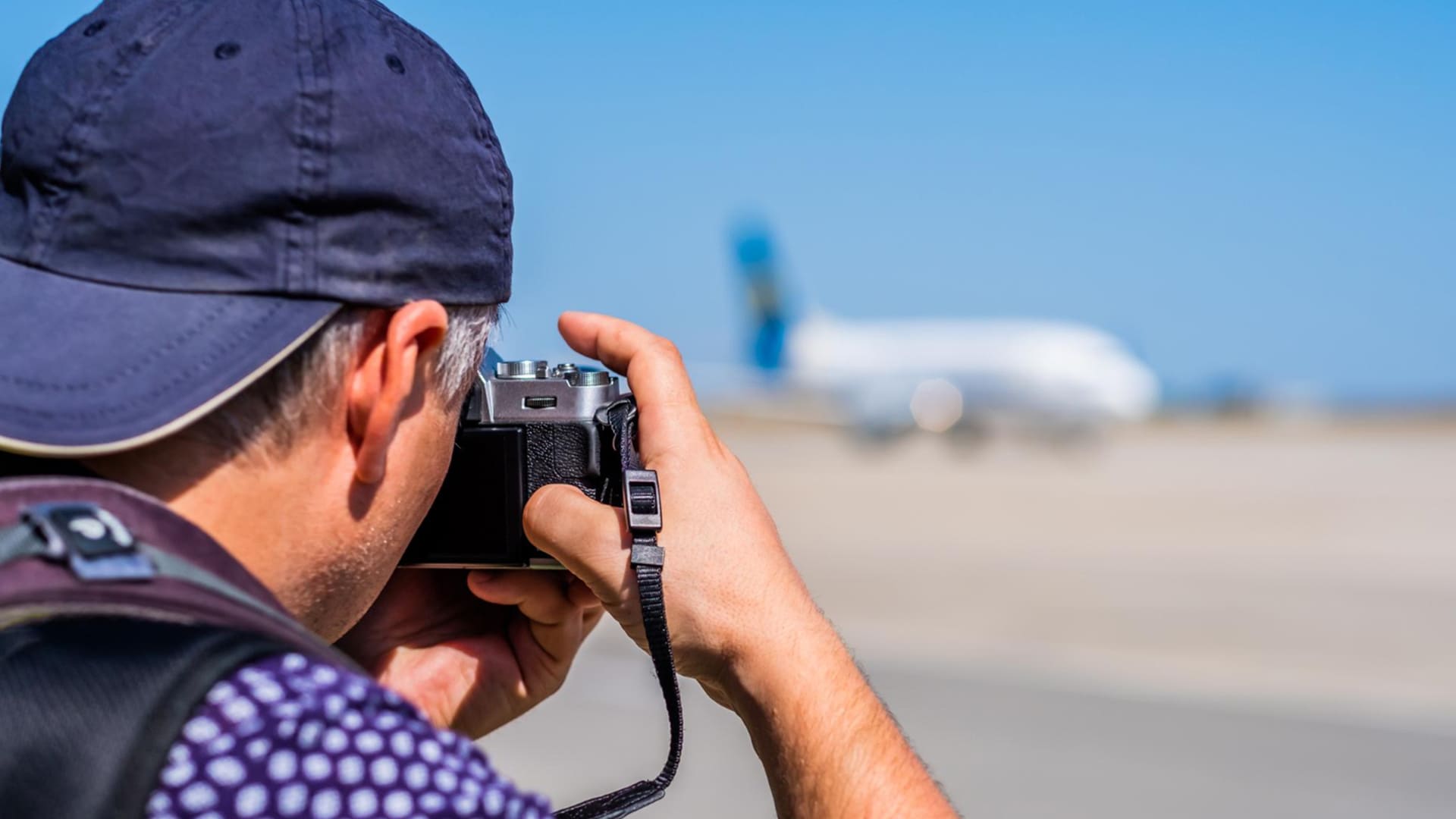
If you love taking pictures of planes and other aircraft, either from the ground or while in the air, it’s important to have the right equipment for the job.
Unfortunately, a relatively cheap or simple digital camera may not have the speed or performance needed to capture fast-moving planes in sharp detail.
Instead, most aviation photography enthusiasts and professionals tend to have quite high-end equipment, with rapid shutter speeds, reliable autofocus, and excellent image quality.
I’ll be focusing on those key features, and others, in this guide, as I introduce you to a small selection of the best cameras for aviation photography.
What Is Aviation Photography? Definition and Different Types
Before I get into the cameras themselves, let’s first focus on the basics, as it’s important to have an understanding of what aviation photography actually is and the different forms it can take before looking at which equipment to buy.
In a nutshell, aviation photography refers to the act of taking pictures of aircraft, but there are many different ways in which this can be done, some of which are much more complicated and require more advanced cameras than others. The main varieties include:
- Ground-static: This is arguably the simplest type, in which the photographer takes pictures of stationary aircraft on the ground. The photographer therefore has more freedom and time to move around and line up their shots.
- Airport/terminal: This type of aviation photography involves people taking pictures of planes from airports, airfields, or terminals, usually through windows or from observation areas. The planes can either be parked on the tarmac or captured while taking off and landing.
- Ground-to-air: This is what most people tend to think of when they hear the words “aviation photography.” It involves photographers capturing images of aircraft that are in the air, while they themselves are on the ground, and is common at airshows and similar events.
- Air-to-air: Without doubt the most complex form of aviation photography, this is when photographers take pictures of other aircraft while also being in the air on their own separate plane or helicopter.
Given the differences in aviation photography, it’s important to think about which type you intend to do before buying a new camera. For taking airport or terminal pictures, a relatively simple device should suffice, but for ground-to-air and air-to-air photography, you’ll need stronger gear.
Choosing the Right Camera for Aviation Photography
For the purposes of this guide, I’ll focus primarily on cameras that are best-suited for ground-to-air photography, since it’s one of the most popular types and tends to have some of the most particular requirements.
The reason for that is simple: when you’re taking pictures of planes in motion, whether they’re commercial airliners or supersonic fighter jets, they’re often moving at fast speeds extremely far away from you.
As a result, trying to take aviation pictures using a low-quality camera or even a smartphone often results in quite bland and blurry images. You need a device that’s able to track and focus on fast-moving objects, zoom in without losing too much detail, and take multiple images very quickly.
With that in mind, key features to look for include:
- Fast autofocus: Since aircraft can move so quickly and may also change direction rapidly, continuous autofocus is almost a must-have for aviation photography. It helps you lock onto your subjects and track them as they move across the scene, even if the background changes.
- High shooting speed: Again, because of the high speeds at which planes move, it helps to have a camera that can take multiple shots per second (using burst mode) even when operating at high shutter speeds.
- High resolution sensors: You don’t necessarily need a 100MP camera to capture high-quality aviation images, but relatively high-resolution sensors of around 30 to 50MP are recommended to help produce detailed images at distance.
- A good viewfinder: This isn’t a must-have, but it’s certainly helpful to have a good-quality viewfinder that will help you keep planes and other aircraft in your sights as they fly across the sky.
The 5 Best Cameras for Aviation Photography
Now you know what’s involved in aviation photography, let’s take a look at some of the best cameras you can consider for your next plane-spotting session.
1. Canon EOS R7 (Best Overall)
- Good value for money
- Excellent performance
- Works well at tracking fast-moving objects
- Focus can be a little slow
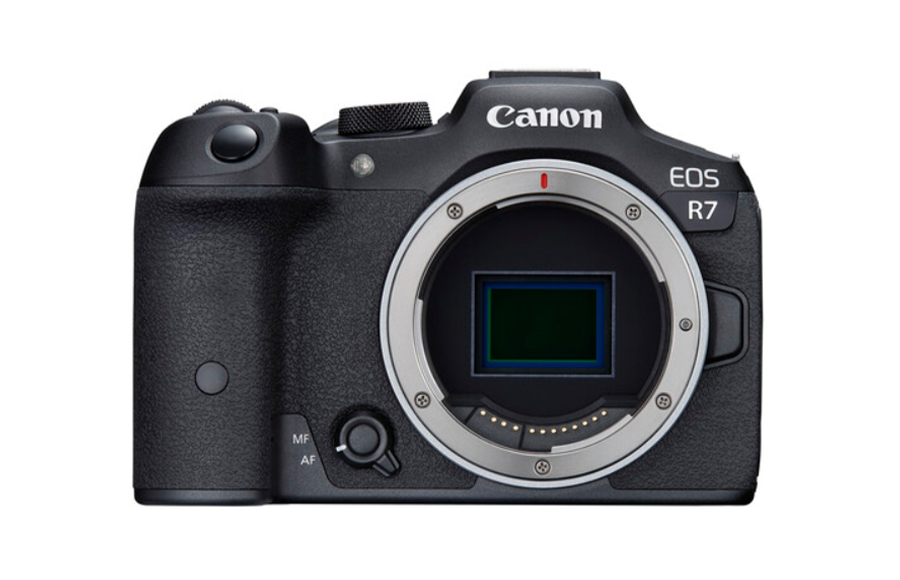
I’ll start off with my list with one of the cameras I’ve consistently recommended to people who are interested in aviation photography, as well as wildlife photography and action photography in general: the Canon EOS R7.
An ideal choice for both beginners and intermediate photographers alike, it provides a good mixture of performance and portability at a very reasonable price, all delivered in a compact, portable, and well-constructed piece of hardware.
The EOS R7’s 32.5MP CMOS sensor, combined with Canon’s DIGIC X processing, ensures that you get exceptional images almost every time, while the Dual Pixel CMOS AF II focusing system helps with tracking fast-moving objects, like planes.
Some users have complained that the focus can be a little slow or awkward to get used to. However, I’ve found that the more time you spend with this camera, the easier it becomes to track subjects cleanly and stay focused even as they move across the sky or landscape.
2. Nikon Z6 III (Most Versatile)
- Impressive autofocus technology
- Great video performance
- High-quality touchscreen LCD
- Not the best build quality
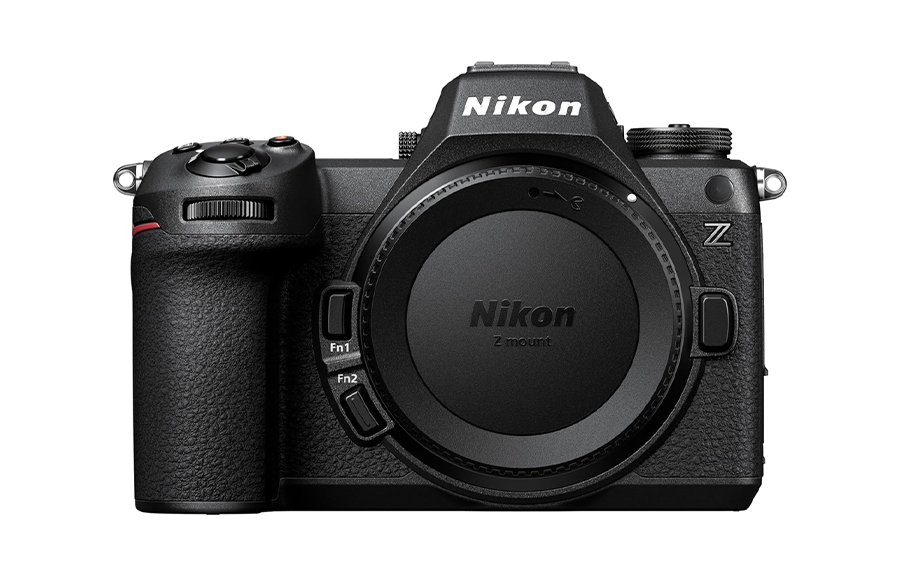
Next, one of my favorite all-around cameras that can work particularly well for aviation photography, but is also handy to have in your bag when taking photos of wildlife, travel destinations, events, or simple family get-togethers: the Nikon Z6 III.
This versatile mirrorless camera boasts a 24.5MP partially stacked CMOS sensor and high-speed EXPEED 7 image processing technology. It can film videos in 6K at 60 frames per second or 4K at 120p, so it’s just as good at capturing clips as it is at taking still images.
Other key features of this aviation camera include its autofocus – which is one of the best that I’ve seen on a mid-range camera – and its sophisticated subject detection, which incorporates deep learning technology (also seen on other high-end Nikon cameras, like the Z9) to recognize and track subjects.
I really enjoy the LCD touchscreen on this camera, too, which is both responsive and detailed, but I do have to point out an issue with the build quality: despite its high price tag, some users have complained that this camera feels cheap and has to be looked after carefully, as some parts are a little delicate.
3. Nikon Z8 (Best for Professionals)
- Ideal for serious aviation photographers
- High-resolution sensor
- Exceptionally fast shutter speed
- Performance suffers in low-light conditions
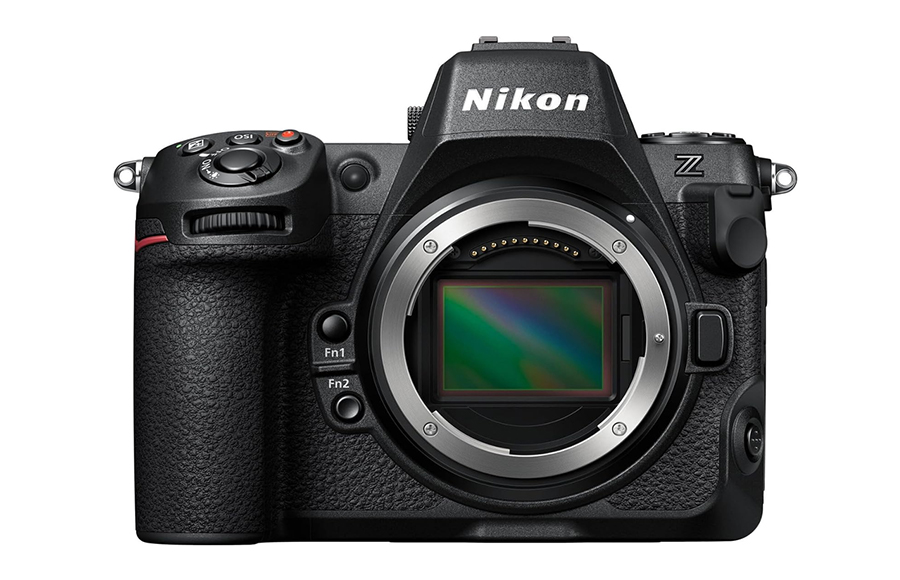
Next up, I’m including another Nikon camera. This time, it’s the Z8: a sophisticated and versatile choice that certainly comes at a high price but justifies that fact by providing premium levels of performance, better build quality than the Z6, and a great range of useful features.
With its 45.7MP FX-format stacked CMOS sensor, the Nikon Z8 can help you capture amazingly detailed images of aircraft, even from great distances. You can take broad images and crop them down while still retaining high levels of quality, so it’s ideal for ground-to-air photoshoots.
The Z8 also supports pre-release capture, which can be the difference maker when trying to capture the fastest-moving planes like jets, and it has an exceptionally fast shutter speed, which also helps enormously when trying to track and capture fast objects at range.
I also appreciate the fact that this is quite a light camera, despite having such high-end technology, and the OLED viewfinder is also a joy to work with. The only big downside, aside from the price, is that this camera doesn’t perform quite as well in the dark.
4. Sony a6700 (Best Value)

- One of the more affordable options
- Strong autofocus and stabilization features
- Compact and lightweight design
- Not as high resolution as others
If you want a capable aviation camera without spending as much as you would on a flagship model, the Sony a6700 is worth considering. Its 26MP APS-C sensor, subject-recognition autofocus, compact body, and in-body image stabilization make it a practical choice for travel and outdoor photography.
It’s still not a “cheap” camera, by any means, but it’s certainly more affordable than others, and it delivers great value for money, with a combination of strong image processing, autofocus, and tracking technologies.
Stabilization can help reduce blur caused by camera movement, but photographing aircraft in flight still requires an appropriate shutter speed to freeze subject motion.
However, since this is a cheaper model, its resolution is lower than the Canon EOS R7’s, although the real-world difference in detail will depend on the lens, shooting conditions, and how heavily you crop your images.
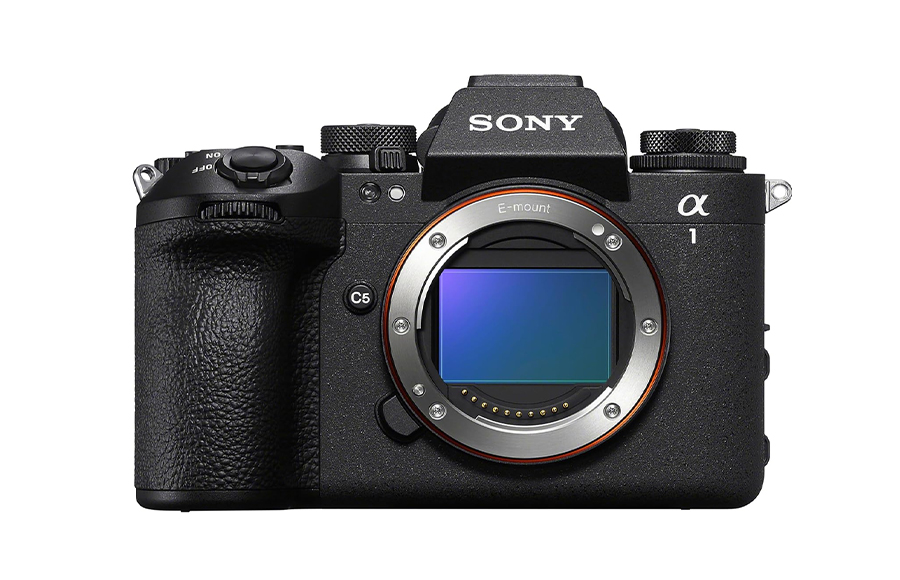
5. Sony A1 II (Best Performance)
- Elite-level performance
- 50MP sensor for high-resolution images
- AI-enhanced functionality
- Extremely high price tag
Last, but certainly not least, I couldn’t write a list of the best cameras for aviation photography without including what many would argue is one of, if not the finest cameras on the market right now: the Sony A1 II.
I’ll start by admitting that this is an extremely expensive camera, and it will undoubtedly be beyond the budget of many buyers. However, if you don’t mind spending extra in order to obtain a truly elite product, this may be the one for you.
From its 50MP sensor to its 8K 30p and 4K 120p video recording capabilities, the Sony a1 II is a remarkable piece of photographic hardware. It offers a fantastic mix of speed, high-resolution performance, and top-tier build quality.
It even incorporates artificial intelligence (AI) technology to help with tracking and focus, so even if you’re trying to take pictures of fast-moving jets at airshows, this device won’t let you down.
Quick Recommendations
If you’re looking for a great all-round aviation camera, try the Canon EOS R7.
For a more affordable option, try the Sony a6700.
Or, if you want maximum performance, no matter the cost, consider the Sony a1 II.
FAQs
What should I look for in an aviation camera?
It depends on what sort of aviation photography you plan on doing. If you’re mainly focusing on taking photos of planes and aircraft in the air, from the ground, you’ll need quite a high-end camera with strong shutter speed, a reliable autofocus, a good viewfinder, and an effective burst mode.
Should I choose a mirrorless or DSLR camera for aviation photography?
Both have their advantages, but mirrorless is generally the better choice, since mirrorless cameras often have better autofocus technology and stronger performance at high speeds. A DSLR might still be right for you if you’re on a tight budget or you’re more used to working with those kinds of cameras.
How do I become a better aviation photographer?
Getting the right camera is just one step towards becoming a strong aviation photographer. You also need to learn the necessary skills, like being able to pan smoothly and track fast-moving objects through the air. Patience and practice are both key in terms of building these skills and taking better pictures.
What focal length lens should I get for aviation photography?
It depends on what type of photos you want to take. Lenses of 100 to 400mm are ideal all-rounders, while 500 to 600mm super-telephoto lenses are good for capturing very distant aircraft. If you’re simply working at airports and terminals, a shorter focal length of 70 to 300mm should suffice.
Final Thoughts
Aviation photography can be a fun and rewarding form of the practice, but only if you have the right equipment. Trying to capture high-quality pictures of planes is much more challenging with a low-quality camera, so if you’re serious about this sort of photography, it’s well worth investing in a high-end device before you begin, like the Canon EOS R7 or Nikon Z8.

As the General Manager of Shotkit, India Mantle brings with her a lifelong love for photography that she developed during her childhood, watching her father document their family moments with his Nikon EM. In her free time, you find her enjoying the awe-inspiring natural beauty of her home, Northern Rivers, Australia.
👋 WELCOME TO SHOTKIT!
🔥 Popular NOW: