





How Live Camera-to-Cloud AI Is Changing Event Photography
Live camera-to-cloud AI is changing event photography in a major way. Learn more about its impact in my guide.
AI | Software | By India Mantle | Last Updated: June 12, 2026
Shotkit may earn a commission on affiliate links. Learn more.
Artificial intelligence (AI) has already transformed photography in ways that once seemed impossible. AI-powered editors allow photographers to dramatically speed up workflows. For example, they can carry out seemingly complex, advanced editing tasks in a matter of minutes.
However, the AI revolution doesn’t end there. An emerging technology known as live camera-to-cloud AI is about to have an even bigger impact on the photography world, specifically event photography. It’s set to make the lives of wedding, party, conference, and other event photographers significantly easier.
In this guide, I’ll explain what live camera-to-cloud AI is, how it works, and the unique benefits it provides.
What Is Live Camera-to-Cloud AI?
Before I look at the use cases and advantages of live camera-to-cloud AI, I realize that some readers won’t yet have heard of this technology or may not know exactly what it is. With that in mind, here’s a brief introduction to this exciting innovation.
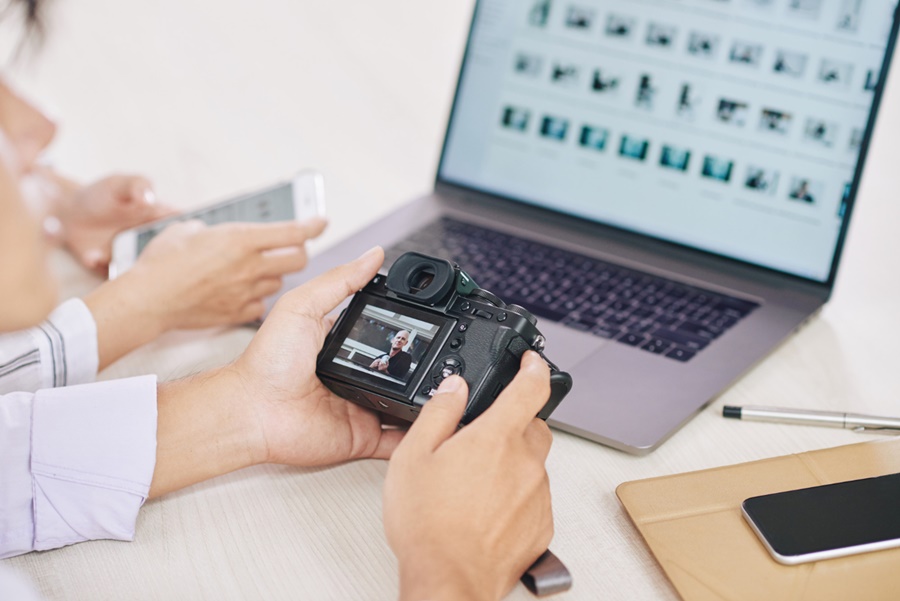
Live camera-to-cloud is a technology that instantly sends photos or videos captured by a camera to a cloud-based platform. In other words, every time you snap a photo, instead of it simply sitting on your camera’s SD card, waiting to be uploaded to your computer later on, it goes straight to the cloud.
That alone is a game-changer for photographers everywhere, but when we combine this concept with AI, it goes even further. With live camera-to-cloud AI, your photos don’t just go to the cloud; they go to an AI-powered cloud service, where they can be automatically processed, edited, and even delivered.
How Does Live Camera-to-Cloud AI Work?
It may sound complicated, but live camera-to-cloud AI is surprisingly simple in action. Here’s a step-by-step breakdown of how it typically works:
- Capture: The camera captures photographs or records video. The files are subsequently encoded and prepared for immediate transmission to the cloud.
- Transmission: Through Wi-Fi, cellular data, or Ethernet connections, which are either fitted in cameras or provided via external hardware, photo/video files are sent to cloud servers.
- Processing: Upon arrival in the cloud, the files follow automated, configurable, AI-powered workflows, which can include culling, sorting, and editing.
- Delivery: Once the files have been successfully processed, which can take mere seconds in some cases, they’re immediately sent to relevant parties for viewing, sharing, and saving.
The Impact of Live Camera-to-Cloud AI on Event Photography
Live camera-to-cloud AI is used for live AI video streaming, as well as in smart security services. In the world of photography, it can provide value for all kinds of photographers, but is particularly useful for those who spend their time taking pictures at weddings, concerts, and other live events.
Use Cases
Here are just some of the helpful features and use cases this technology provides.
Real-Time Culling
As images are captured and dispatched to the cloud, they can be scanned by AI algorithms in real-time, with any duplicates or lower-quality images instantly culled. Users can configure these algorithms according to their needs, i.e., to automatically delete images containing red eye or closed eyes.
Live Delivery
As explained earlier, live camera-to-cloud AI technology allows for photos to be delivered to event guests or clients almost instantaneously following capture. Wedding guests can, for instance, browse through the event’s photo collection before it’s even over.
Automated Subject Recognition and Sorting
AI algorithms can also be programmed to automatically detect specific subjects in images. At a conference, for example, it can be programmed to recognize VIPs or keynote speakers and instantly tag or sort photos, and organize those important figures into separate galleries.
Instant Tagging
As photos arrive in the cloud, they can also be assigned relevant tags, depending on their contents. AI can be easily programmed to distinguish between portraits, group photos, and pictures of the bride and groom at a wedding, for example, applying helpful tags for easier sorting and searching.
On-the-Job Quality Control
Photographers or off-site editing teams can scan through photos as they’re taken and processed to help them ensure that their quality is at the desired level. This may also help them identify coverage gaps or technical issues they hadn’t had the opportunity to detect on the event floor itself.
Content Screening
Images and video files can also be automatically screened for any potential inappropriate content or compliance violations. This may be particularly crucial during business events in which there could be a risk of confidential information being inadvertently captured and distributed.
The Benefits of This Technology

For event photographers, it’s no exaggeration to call live camera-to-cloud AI a groundbreaking addition to the industry. It delivers numerous benefits that not only make these professionals’ lives easier but also help them achieve unprecedented levels of efficiency and productivity.
Faster Delivery Times
Arguably, the biggest benefit of embracing live camera-to-cloud AI is how much more quickly it allows you to get photos to your clients. I’ve done wedding photoshoots in the past where it took me several days to even send a preview gallery to the guests, and several weeks to deliver the finalized photos. With live camera-to-cloud AI, I can process, perfect, and send images in a matter of minutes.
More Satisfied Clients
Following on from the previous point, clients tend to be more satisfied and impressed when they can view and enjoy their event photos so soon after the event ends, or even while it’s still going on. The first time I tried live camera-to-cloud AI, for example, I received highly positive feedback from my client at the time. It may therefore help individuals and studios get more positive reviews and build their brands.
Less Manual Hassle
Live camera-to-cloud AI provides practical benefits for photographers as they go about their work, as well. In the past, professionals would have to worry about making sure they had enough spare SD cards and sufficient physical storage space for the hundreds or even thousands of photos they take at an event. With this technology, there’s no need to stop and swap out cards every couple of hours.
AI-Powered Automation

With live camera-to-cloud AI, the AI takes over a large part of the tedious and time-consuming tasks that you may not want to do. It can handle the likes of organizing, tagging, and culling your photos, for example, saving you hours of time and effort in the process. It can also automatically apply filters or preset editing adjustments, correcting colors and fixing imperfections so you don’t have to.
Customization Potential
Another major advantage of live camera-to-cloud AI is how flexible it is. Most platforms offer the ability to set your own precise parameters and build your own custom workflows, controlling exactly what the AI does as photos arrive in the cloud. You can decide how it culls and sorts your photos, what kinds of edits it applies, and so on, preserving your signature style while enhancing your efficiency.
Enhanced Security and Recovery
One of the less obvious benefits of this technology relates to security. Physical devices and storage media, like SD cards, can get lost, damaged, or even stolen during events, taking hundreds or thousands of photos with them. When you use a live camera-to-cloud AI service, all your images are immediately backed up on secure cloud servers, so even if you lose your camera, you won’t lose your photos.
Real-Time Collaboration
For event photography studios that have separate teams of photographers and editors, live camera-to-cloud AI is a game-changing innovation. It facilitates faster and more seamless collaboration between these groups; as photographers snap their pictures, editors are able to immediately get to work on them, making relevant changes before posting them online or sending them to clients.
Stronger Discoverability
Event photographers can sometimes take thousands of photos over the course of a single event, which they then have to sort, tag, and separate into different groups and folders. It’s not an easy job, but it becomes surprisingly simple when you let AI take over. It can scan images and sort them to help both photographers and clients search through the full batch to find exactly what they’re looking for.
Reduced Risk of Human Error
Having done event photography myself in the past, I know that when you have so many images to work with, you can sometimes make mistakes. You might delete a good quality image accidentally or overlook something during editing. This, in turn, can have a negative impact on the client’s experience. AI, however, is less likely to make these kinds of mistakes (although it should still be reviewed for errors).
Next-Level Scalability
Many event photographers have to set strict limits on the amount of work they can take on and the number of images they can realistically capture and process, because of the amount of time and effort involved. When you use live camera-to-cloud AI, however, it becomes far easier to work on large-scale, multi-day events because AI does most of the hard work for you.
A Competitive Edge
The event photography market is a competitive one, and it can be difficult for individual photographers or studios to stand out and attract attention. Investing in live camera-to-cloud AI could give you the all-important edge you need to move ahead of your competitors, gain more clients, and build up your brand, as you’ll be able to offer something that many of your rivals cannot.
The Challenges of Live Camera-to-Cloud AI
While live camera-to-cloud AI has numerous benefits, transitioning to this technology can present challenges, including:
- High Costs: Having reviewed some of them personally, I know that live camera-to-cloud apps can be quite expensive, especially when you need large amounts of cloud storage. You also have to consider the costs of any additional equipment you might require.
- Infrastructure Issues: This technology relies on a steady and relatively high-speed internet connection in order for photos to be instantly transmitted to the cloud. If you’re working in a remote location or somewhere with poor service, you may face delays and difficulties.
- Loss of Control: For many photographers, AI is a concerning presence in the field. Some fear that relying on AI too heavily could lead to a loss of their artistic control or unique styles and signatures.
- Possible Privacy Risks: Uploading images of people immediately to a cloud service can present privacy and data protection risks. It’s vital to ensure that any cloud app you use has the necessary security systems in place to comply with major regulations, like GDPR.
More: How to Use Secure Cloud Storage to Back Up Your Photos Safely
Examples of Live Camera-to-Cloud AI Platforms
Live camera-to-cloud AI is still relatively new, but there are already several platforms available that make use of this technology. If you’re eager to try it yourself, one or more of these solutions may be worth considering:
Evoto Instant
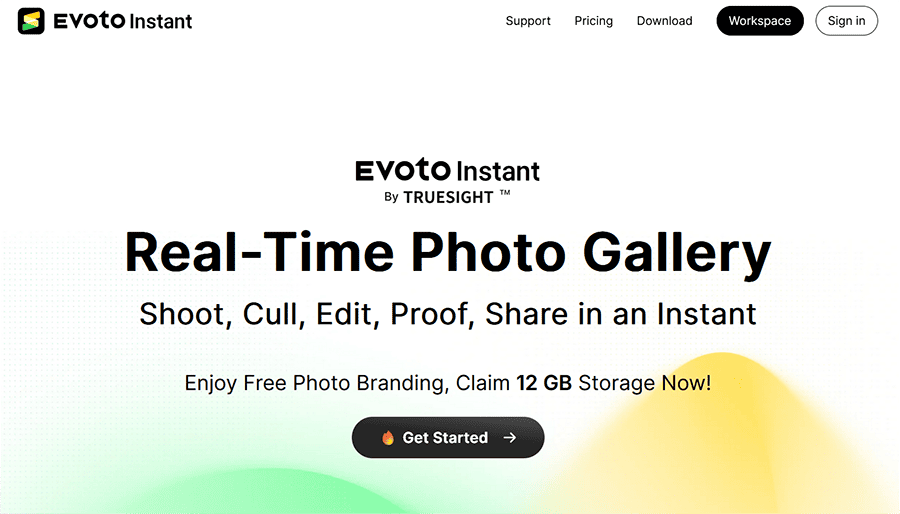
Developed by the same team behind Evoto AI, Evoto Instant is a real-time photo gallery application aimed at the event photography crowd. Suitable for weddings, school events, business conferences, and other occasions, it allows users to hand over most culling and editing tasks to AI.
As you take pictures, they’re instantly delivered to the Evoto Instant app. There, AI takes over, automatically editing the images to match your exact preferences, culling those that don’t meet your specific standards, and automating other aspects of your workflows to save you time.
Frame.io
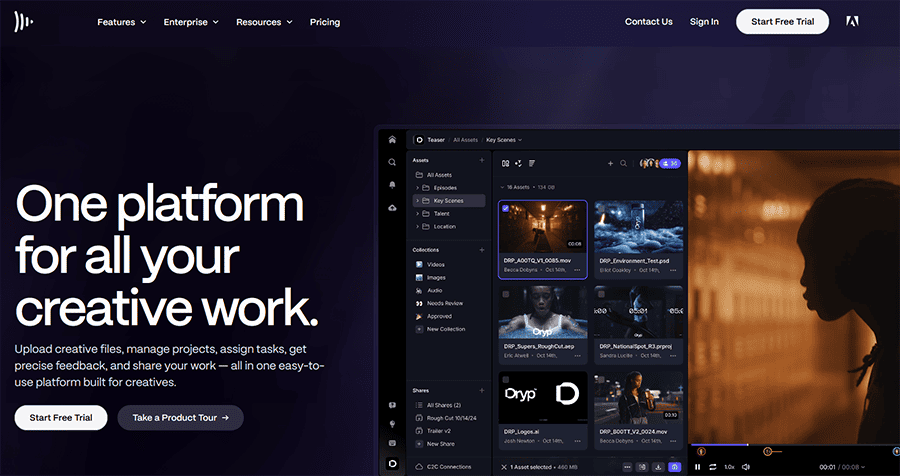
A cloud-based creative collaboration and video review platform, Frame.io provides a centralized workspace for editors, photographers, videographers, and clients to instantly upload, sort, and share their photos and videos.
It doesn’t have any advanced built-in editing features, but it’s part of the Adobe family of creative tools, offering strong integration with the likes of Adobe Premiere Pro and After Effects. This, in turn, can help streamline editing workflows through integrations with Adobe's full suite of AI-powered tools.
Kam-Sync
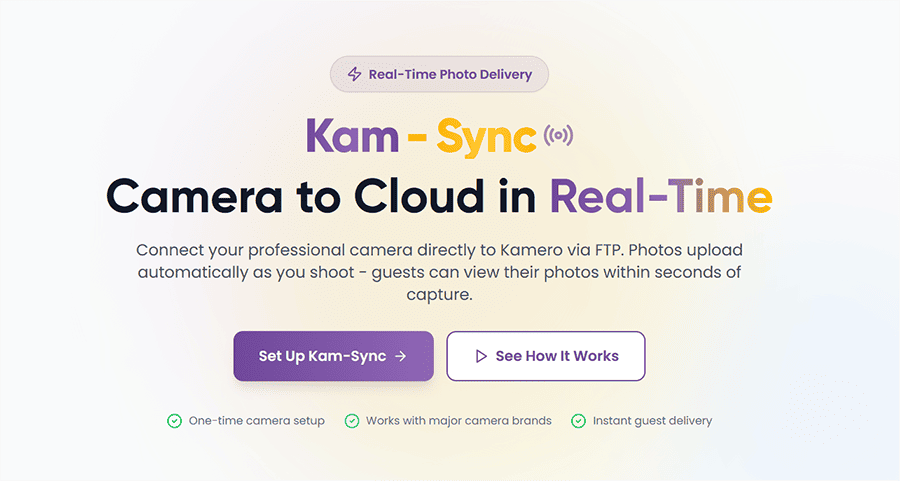
One of the leading live camera-to-cloud AI apps available today, Kam-Sync lets photographers link their devices to cloud servers with ease and automatically transmit everything they capture to their own cloud galleries. It’s one of the best options on the market for near-instant photo delivery.
Kam-Sync works with all major camera brands and incorporates AI technologies to take on tasks like face recognition, duplicate detection, and culling. It was designed with event photographers in mind and works particularly well for weddings, corporate events, and festivals.
Live Camera-to-Cloud AI: The Future of Event Photography
Of the many ways in which modern technology has transformed photography, live camera-to-cloud AI stands out as one of the most impactful. It has the potential to change workflows forever, eliminating the need for photographers and editors to spend hours of their own time sorting, culling, and fixing their photos, freeing them to focus all of their energy on capturing the moments that matter.
It brings benefits to efficiency, productivity, security, and the overall client experience, and in the years to come, it’s likely that this will become the new standard for event photography across the world. With that in mind, those wishing to get ahead of the game may opt to embrace live camera-to-cloud AI today before the rest of the industry catches on.

As the General Manager of Shotkit, India Mantle brings with her a lifelong love for photography that she developed during her childhood, watching her father document their family moments with his Nikon EM. In her free time, you find her enjoying the awe-inspiring natural beauty of her home, Northern Rivers, Australia.
👋 WELCOME TO SHOTKIT!
🔥 Popular NOW: