






What Commercial Clients Look for When Hiring a Product Photographer
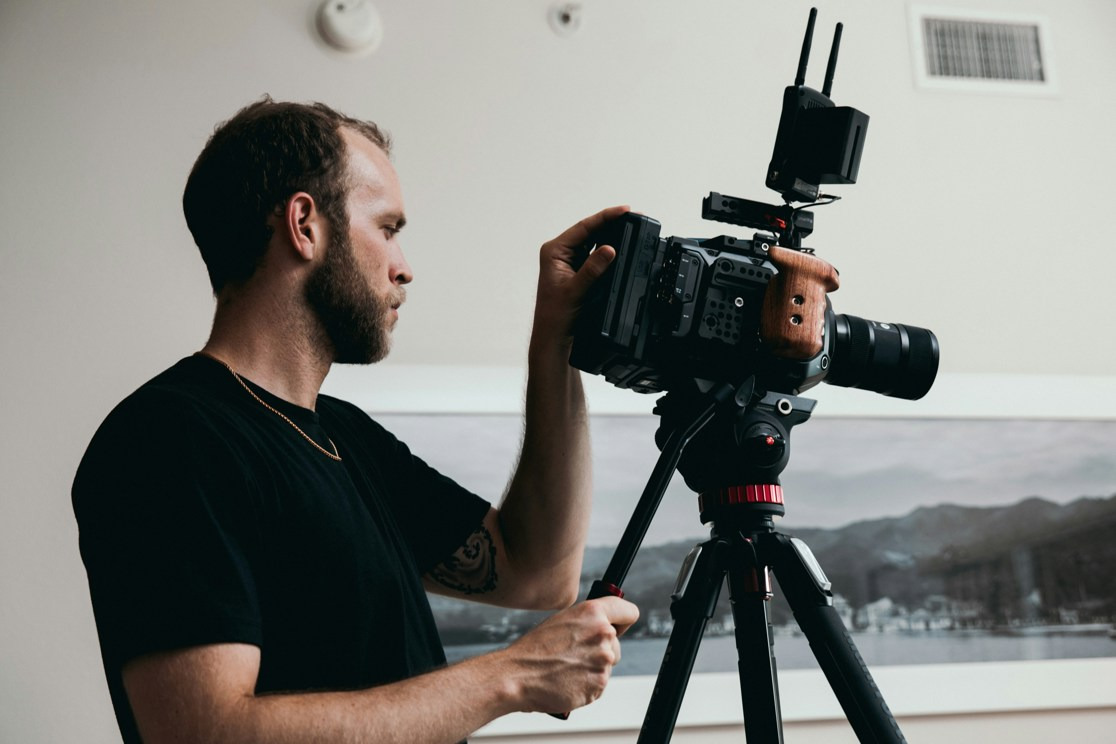
Commercial clients expect more than an attractive image. They need technical control and consistency, backed by a photographer who can solve the next problem before it reaches the campaign.
Photography is easy until you have to get it right every time. What sounds like a nightmare scenario on paper is the daily lived experience when it comes to product photography. Imagine this scenario: Five bottles of craft gin have arrived at the studio and need to be photographed for an ad campaign. Nice job, really. The bottles don’t move; nobody needs directing, and there’s no chance of the talent turning up two hours late. Nothing to worry about.
Our fictional client, Giulia of Giulia’s Gin, wants a clean product shot of each bottle, with each of the five bottles looking like part of the same range. Easy afternoon. Then you put the first bottle in front of the camera. The studio reflects in the glass, the metallic cap lights up like a beacon, and the label picks up a hotspot you can’t remove without causing another one somewhere else. Welcome to product photography.
A Great Portfolio Shows Problems Already Solved
Before those bottles reached your studio, Giulia had to decide whether you had the skills and experience to photograph them. That decision started with your portfolio, but a commercial client looks beyond a collection of moodily lit, dramatic pictures.
A gin bottle gives them plenty to inspect: they can see whether you know how to define the edges of clear glass without turning them into heavy black lines. They can check whether the liquid still has colour and life while the label sells the product. A metallic cap immediately gives away sloppy reflection control. Even a clean white background can expose poor masking or careless retouching. And let’s not even speak about lens flare. When working on fast-paced commercial sets or capturing dynamic sequences, having reliable gear is essential, much like knowing how to pick the best lenses for reels & TikToks for video deliverables.
The difficult part is that one solution can create the next problem. Put a highlight down the side of the glass and the bottle gains form, but now it may blow out the label. Move the light to rescue the label and the bottle cap shines like a searchlight. Commercial product work is full of these little negotiations.
That is what Giulia is really buying when she hires you. Creativity here means problem solving. Your portfolio gives her evidence that you’ve met awkward surfaces before, understood what the light was doing, and found a way through them.
Now the five bottles are on your table. The portfolio got you the job; bottle number one gets to find out whether you can actually do it.
The Bottle Fights Back
Bottle number one is where the easy afternoon starts falling apart. Glass is transparent, reflective, and curved, which means your lights can appear in it while the room behind the camera joins the party. Giulia wants to see the bottle, not your softbox reflected down its side.
Modern cameras make exploring photography and its genres more accessible because autofocus, automatic exposure and image processing can help you get a good individual shot more often than not. Yes, professional work in any genre demands skill, but product photography gives the technology less room to rescue you. Giulia has already decided what the finished photograph needs to look like. You just need to deliver.
Product photography is the most technical of all the photographic genres, and goes much further than putting a coffee can on a product table and firing away; a good argument can be made that getting a bottle perfectly is the most technically demanding subgenre in the entire field of photography. It is in the product studio where the pros earn their stripes.
This is also where knowing your equipment becomes more useful than owning expensive equipment. You need to understand what each light is doing and what will happen when you move it. Trial and error may eventually produce one good bottle, but Giulia ordered five photographs that have to work together.
First, though, you need to get bottle number one under control.
Five Bottles Turn One Photograph Into a System
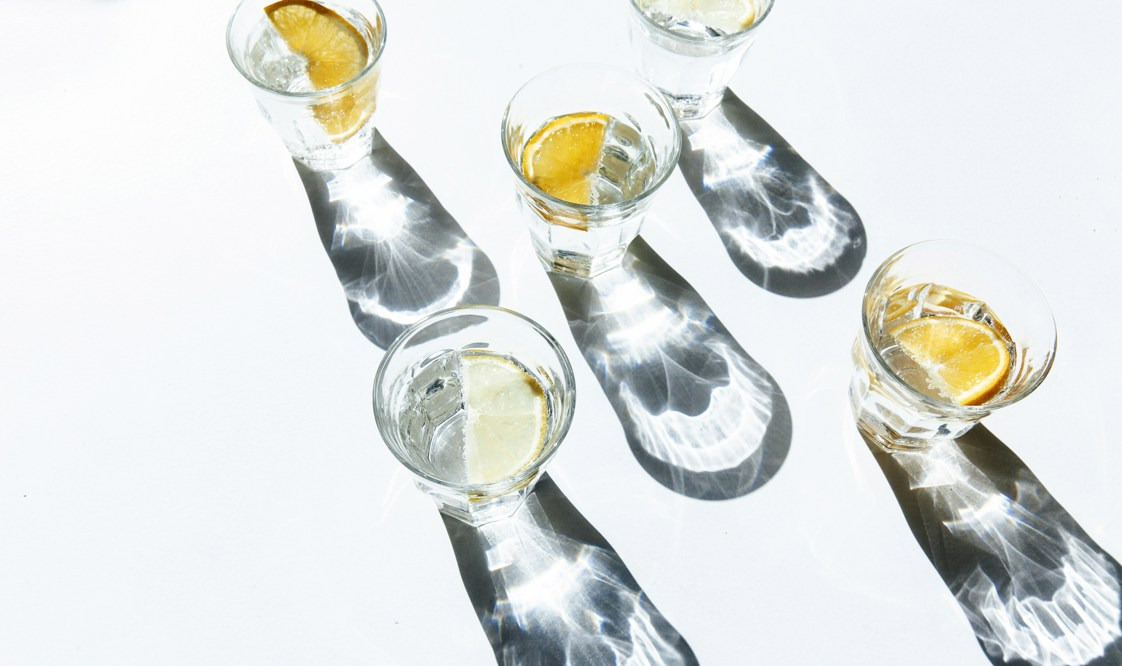
Bottle number one is finally behaving. The reflections are controlled, the label is clean, and the gin has the colour Giulia expects. Take the photograph, admire your handiwork for a moment, and reach for bottle number two. This is where a different problem begins.
Giulia does not need five individually beautiful photographs. She needs a range. Put the finished images next to each other, and the bottles must sit at the same height, at the same angle, with the same perspective. The highlights need to follow the same path across the glass, while the shadows cannot wander around between shots.
That means documenting what you did rather than trusting your memory. Camera height and distance can be measured, while a sturdy support system keeps the viewpoint fixed. For field shoots or tight studio footprints, pairing your camera with one of the best travel tripods ensures your framing stays completely locked down.
Tethered shooting also lets you compare each new image against the previous bottle on a larger screen, where small differences become much easier to spot. Giulia will never see any of this work. She will see five photographs in an ad campaign and expect them to match.
Getting one bottle right proves you can solve a lighting problem. Getting all five right proves you can build a repeatable solution.
Your Photograph Has to Belong to Their Brand
The five bottles now match, but Giulia has another requirement: these photographs are going into an ad campaign, which means they have to work with decisions that were made before the bottles reached your studio.
Commercial photographers deal with this all the time. The client may arrive with an established visual identity, approved packaging, and a clear idea of what the campaign needs to say. Your personal style helped get you hired, but the job is to apply that skill to Giulia’s brand rather than turn Giulia’s Gin into yours.
That becomes especially important when a branding firm is directing the wider project. A good one works across brand identity and packaging, with photography included among its creative capabilities. Your images may therefore need to fit an existing system rather than establish one from scratch.
A good brief tells you where those boundaries sit. There’s an established brand identity. Turning up with dark, dramatic images because they look fantastic in your portfolio solves the wrong problem.
Commercial creativity comes with a target: the finished photograph has to do the job you were hired to do.
Lighting Knowledge Takes Guesswork Out of the Studio
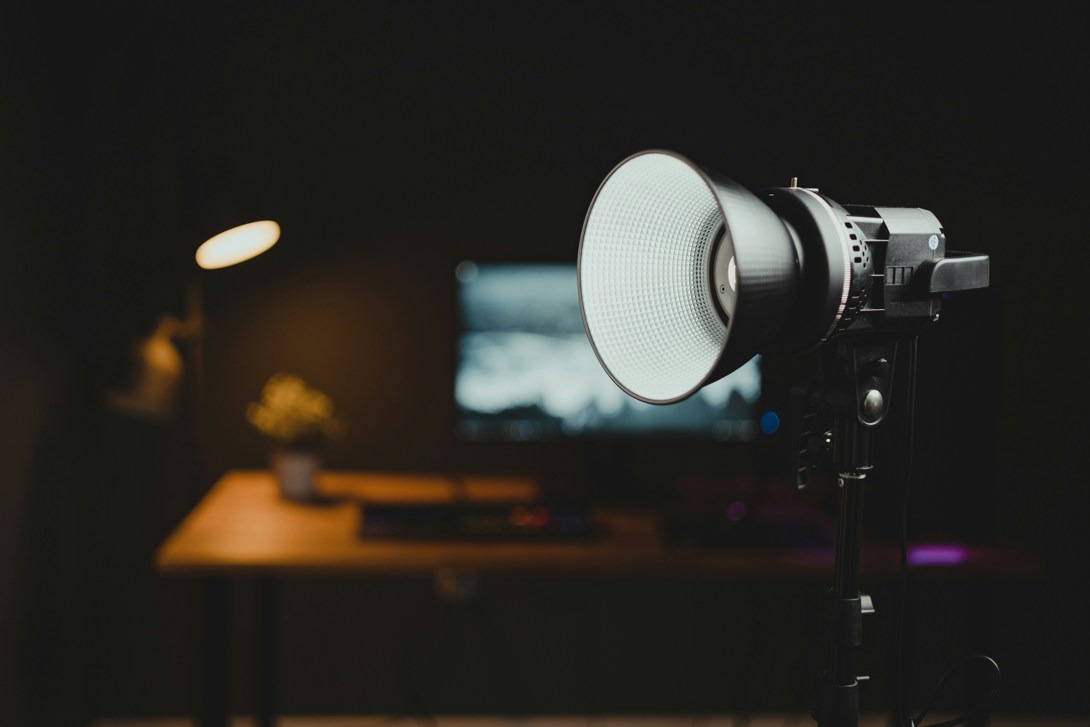
By now, Giulia’s bottles have made one thing clear: lighting is the job. Camera settings can control the exposure, but they cannot decide where a reflection lands or put definition back into a glass edge. For that, you need to understand what the light itself is doing.
Color starts with light. An object absorbs certain wavelengths and reflects others, which is why changing the illumination changes what your camera records. That becomes critical when Giulia expects the green on her label to reproduce across the whole campaign.
Distance is another tool. Light intensity follows the inverse-square law, so doubling the distance from the subject reduces illumination to one quarter. Move it closer, and the falloff becomes more pronounced. Once you understand that relationship, moving a light becomes intentional rather than a game of studio trial and error.
The same principle applies to modifiers, flags, and reflectors. Each gives you another way to control what the bottle records.
Expensive gear is useful, but Giulia isn’t paying to see your equipment cupboard. She is paying you to know what to do when her bottle refuses to cooperate.
Repeat Business Causes Repeat Challenges
Good news! The job is a success, and the ads run. A job well done. It has been so successful that, a year later, Giulia has released three more variants. More work. And these three need to fit hand-in-glove with last year’s campaign.
Since then, the studio has been moved hundreds of times, gear has been upgraded, and a new lighting system has been introduced. This is where detailed records now earn their keep. Camera height and distance put the new bottles back into the same perspective.
Your lighting notes let you rebuild the reflections on the glass, while the original files give you a reference for colour and retouching. If data corruption or accidental formatting ever threatens your past campaign archives, knowing how to recover deleted photos can save your reference assets.
This is repeatability at a commercial level. Photographing five bottles consistently during one session is the first test; reproducing that result is the real test of commercial photography.
Giulia does not need three photographs that are close enough. She needs eight bottles that look as though they were photographed on the same day.
That is the photographic problem she hired you to solve.
The Client Is Hiring More Than Your Camera
Giulia’s bottles tell the whole story. Commercial clients want strong photographs, but getting hired again depends on solving the problems behind them. They need a photographer who can control difficult materials, follow an established visual direction, and deliver the same standard when the next job arrives.
The client wants the finished photograph. What they are really paying for is the photographer who can deliver it.

Check out these 8 essential tools to help you succeed as a professional photographer.
Includes limited-time discounts.
WELCOME TO SHOTKIT
Enter your email to be sent
today's Welcome Gift:
19 Photography Tools
🔥 Popular Now:


Shotkit may earn a commission on affiliate links. Learn more.